


When is ovulation each month?
Mar 27, 2022
Source: Cainiu Health

Dr. Zhang Lu
Introduction
Ovulation in women typically occurs approximately 14 days before the onset of the next menstrual period. Throughout a woman’s lifetime, around 400–500 follicles mature and release eggs. During the ovulatory phase, women should keep warm, rest adequately, ensure sufficient sleep and proper nutrition. Personal hygiene should be maintained regularly, including frequent changing of undergarments. Light spotting may occasionally occur during ovulation; this is considered normal.
Each individual has a unique constitution, and therefore the timing of ovulation varies from person to person. However, this timing can be reliably estimated using a standardized method. So, when does ovulation occur each month for women? Let’s explore this in detail.
When Does Ovulation Occur Each Month?
Ovulation in women typically occurs approximately 14 days before the onset of the next menstrual period. Over a woman’s lifetime, about 400–500 ovarian follicles mature and release eggs.
Women with regular menstrual cycles can calculate their own ovulation window. For example, in a typical 30-day cycle, if menstruation begins on the 1st of the month, ovulation is likely to occur around the 17th. The five days preceding and following this date—i.e., approximately days 12–22—represent the most fertile period, commonly referred to as the “ovulation window.” During this time, some women may experience mild, one-sided lower abdominal discomfort (mittelschmerz), which is harmless and usually resolves spontaneously. Many women also notice a slight increase in vaginal discharge, lasting 1–3 days. Eggs may be released alternately from the two ovaries or consecutively from one ovary. Importantly, the egg loses its capacity to be fertilized within 24 hours after ovulation.
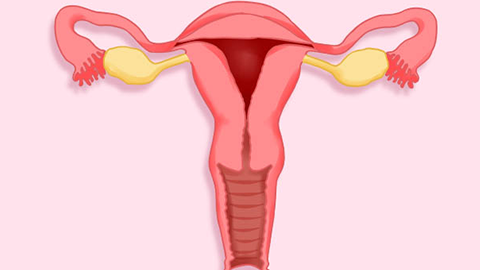
Within the menstrual cycle, the follicular phase begins with the growth and development of ovarian follicles; once mature, the follicle triggers ovulation. Following ovulation, the ruptured follicle transforms into the corpus luteum, marking the start of the luteal phase. If conception does not occur promptly, the corpus luteum begins to degenerate. Under the influence of hormonal fluctuations, the endometrium subsequently sheds, resulting in menstrual bleeding. Under normal circumstances, the two ovaries alternate in releasing an egg approximately every 28–35 days; typically, only one egg is released per cycle, though occasionally two eggs may be released.

During the ovulatory phase, women should prioritize warmth, rest, adequate sleep, and proper nutrition. Personal hygiene should be maintained diligently, including frequent changes of undergarments. Light spotting during ovulation is considered normal. However, if heavy bleeding or other unusual symptoms occur, prompt gynecological evaluation at a healthcare facility is recommended.


