


Best Treatment for Hepatic Ascites
Mar 28, 2022
Source: Cainiu Health

Dr. Jin Zhongkui
Introduction
Optimal Treatment for Hepatic Ascites: The best approach to treating hepatic ascites is individualized therapy based on the patient’s specific clinical condition. Reducing ascites formation and promoting diuresis to alleviate edema constitute the most effective treatment strategy. For patients with mild ascites, oral diuretics may be appropriately prescribed. Commonly used diuretics include spironolactone and hydrochlorothiazide.
In patients with severe hepatic ascites, marked abdominal distension occurs due to massive fluid accumulation. This forces upward displacement of the diaphragm, potentially impairing respiratory function and causing symptoms such as dyspnea, chest tightness, and shortness of breath. Therefore, short-term, effective diuretic and decongestive therapy represents the optimal approach for managing severe hepatic ascites. So, what are the best treatment methods for hepatic ascites? Let’s explore them below.
Optimal Treatment Methods for Hepatic Ascites
The optimal management of hepatic ascites involves individualized, targeted therapy based on the patient’s specific clinical condition. Reducing ascites formation and promoting diuresis and edema resolution constitute the cornerstone of effective treatment.
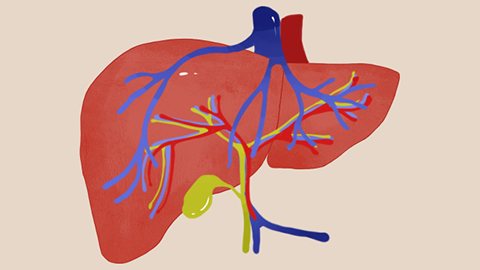
For patients with mild ascites, oral diuretics may be appropriately prescribed. Commonly used agents include spironolactone and hydrochlorothiazide, both of which demonstrate good efficacy. If diuretic response is suboptimal, intravenous diuretics—such as furosemide injection or torasemide—may be added to enhance therapeutic effect.
In cases of severe hepatic ascites with marked abdominal distension, therapeutic paracentesis (abdominal paracentesis) is recommended. Following paracentesis, intravenous human albumin infusion should be administered according to the patient’s clinical status to elevate colloid osmotic pressure and thereby promote diuresis and edema reduction.
Liver function must be closely monitored. In patients with hypoalbuminemia, supportive and symptomatic treatment is essential—including appropriate administration of human albumin and/or fresh frozen plasma—to effectively reduce ascites formation, alleviate symptoms, and improve quality of life.
Dietary considerations for patients with hepatic ascites include avoiding coarse, hard-to-digest foods—such as fried items (e.g., fried meatballs, fried peanuts, fried fish). Notably, fried fish—with its fine bones—poses a risk of esophageal mucosal injury and subsequent bleeding, and is therefore strongly discouraged.








