


How to treat mammary gland hyperplasia
Mar 28, 2022
Source: Cainiu Health
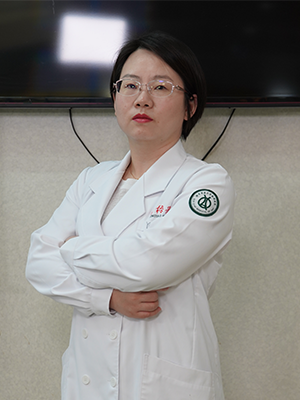
Dr. Yang Qiong
Introduction
For mild cases of mammary gland hyperplasia, no specific treatment is required. Symptoms can be alleviated through self-regulation—such as reducing stress from daily life and work, and engaging in appropriate physical exercise. For patients with more pronounced pain, traditional Chinese medicine (TCM) therapies—including herbal treatments—can effectively relieve symptoms.
Breast health is a topic of significant concern for modern women. Due to insufficient understanding of conditions such as mammary gland hyperplasia and breast nodules, many individuals become overly anxious—experiencing fear and worry about breast cancer at the first sign of pain or upon detecting a suspicious lump. However, after seeking medical evaluation and screening, they often discover that their condition is merely physiological mammary gland hyperplasia—a false alarm.

How to Treat Mammary Gland Hyperplasia
For mild cases of mammary gland hyperplasia, no specific treatment is required. Self-regulation strategies—such as reducing life and work-related stress and engaging in appropriate physical exercise—can effectively alleviate symptoms. When pain is more pronounced, traditional Chinese medicine (TCM) therapies—including herbal remedies—may be used to relieve discomfort. Mammary gland hyperplasia primarily results from hormonal imbalances, leading to abnormal proliferation and involution of glandular tissue and producing a range of associated symptoms. Therefore, cultivating healthy daily habits is essential, as good lifestyle practices play a vital role in both disease prevention and recovery.
Mammary gland hyperplasia is associated with irregular lifestyles, negative emotional states (e.g., anxiety and irritability), and excessive psychological stress. Consequently, whether the condition is physiological or pathological, timely psychological and emotional regulation is crucial. Patients are encouraged to engage in outdoor travel, have meaningful conversations with friends, or seek professional psychological counseling—all effective means of alleviating mental stress and enhancing confidence in managing their condition.
Behavioral interventions should also be implemented, encouraging patients to incorporate aerobic exercise into their routine to improve overall physical function. Regular physical activity helps release and ease anxiety and depressive emotions, promoting physical and mental well-being—and thereby preventing or alleviating symptoms of mammary gland hyperplasia.
We hope the above information is helpful to you. Wishing you a joyful and fulfilling life!




