Optimal Timing for the Trigger Shot
Mar 31, 2022
Source: Cainiu Health

Dr. Luo Li
Introduction
After receiving the ovulation-triggering injection (hCG), follicles typically rupture and release eggs within 24 hours. This injection also stimulates a gradual rise in luteinizing hormone (LH), leading to increased levels of both progesterone and estrogen—hormones that support ovulation. However, the timing of the injection must strictly follow the physician’s instructions, and intercourse should be appropriately scheduled.
Many women aspire to conceive and therefore undergo periodic follicular monitoring to assess follicular development. If the follicles have matured, increasing the frequency of intercourse may enhance the chances of pregnancy. However, due to individual physiological differences, the timing of ovulation varies among women. In such cases, ovulation induction with a “trigger shot” (human chorionic gonadotropin, hCG, or a GnRH agonist) may be recommended. So, when is the optimal time to administer the trigger shot?
Optimal Timing for the Trigger Shot
The optimal time to begin ovarian stimulation—often initiated on Day 5 of the menstrual cycle—varies depending on the protocol prescribed by the physician. Typically, after administering the trigger shot, intercourse may begin as early as the following day. Combining this with ovulation tracking (e.g., basal body temperature, LH surge testing) and serial transvaginal ultrasound examinations allows clinicians to monitor ovarian response and follicular maturation. Optimizing the timing and frequency of intercourse around this window enhances the likelihood of sperm–oocyte union, facilitating fertilization and thereby improving pregnancy rates.
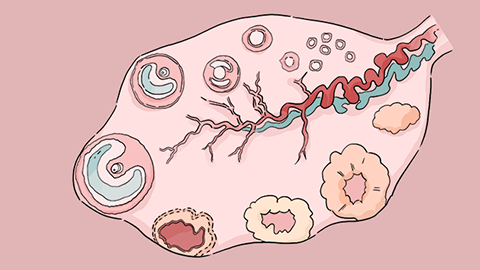
Following administration of the trigger shot, ovulation typically occurs within 24–36 hours. The injection also stimulates a rise in luteinizing hormone (LH), promoting subsequent increases in both progesterone and estradiol—hormones essential for successful ovulation, endometrial preparation, and early luteal support. It is critical to adhere strictly to the timing and dosage instructions provided by your healthcare provider and to coordinate intercourse appropriately during this fertile window.
In daily life, maintaining emotional stability is equally important. Excessive anxiety or irritability may disrupt endocrine balance and negatively affect follicular development. We hope this information is helpful to you.