


What should I do if there is retained tissue after a medical abortion but no bleeding?
Apr 07, 2022
Source: Cainiu Health

Dr. Lv Aiming
Introduction
After a medical abortion, if retained tissue is detected but there is no vaginal bleeding, you should visit a specialized hospital for a color Doppler ultrasound to determine the exact size and nature of the retained tissue. If the retained tissue is large or located high in the uterine cavity, the likelihood of spontaneous expulsion is low, and uterine curettage may be recommended.
Medical abortion—commonly referred to as “medication abortion”—involves the oral administration of mifepristone tablets combined with misoprostol to terminate an early pregnancy. What should one do if retained tissue remains after a medical abortion but no bleeding occurs? Below, we address this question.
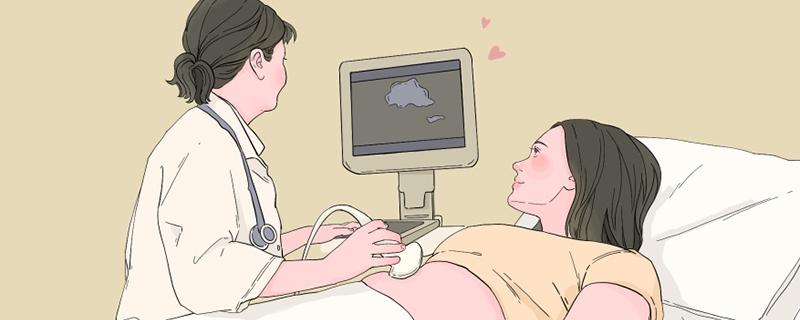
What to do if retained tissue remains after medical abortion but no bleeding occurs
If retained tissue persists following medical abortion without associated bleeding, it is essential to visit a specialized hospital for a color Doppler ultrasound examination to determine the size and nature of the retained material. If the retained tissue is large or located high within the uterine cavity, spontaneous expulsion is unlikely, and uterine curettage (D&C) may be recommended.
If the amount of retained tissue is relatively small and located in the lower segment of the uterus, medications that promote uterine contraction—such as Shenghua Granules or Yimucao Granules—may be prescribed. However, if vaginal bleeding increases beyond normal menstrual flow, prompt medical evaluation and possible D&C are warranted.
During recovery, ensure adequate rest, maintain warmth, and avoid staying up late. Sexual intercourse and tub bathing must be avoided for one month post-abortion. Maintain external genital hygiene. A follow-up visit to the hospital is recommended two weeks after the procedure. Going forward, always use safe and effective contraceptive methods.
Specific medications and treatment plans should be determined by a qualified healthcare provider based on individual circumstances.
The above outlines management strategies for retained tissue following medical abortion in the absence of bleeding. We hope this information is helpful to you.



