Differences Between Chemotherapy and Radiotherapy
Apr 11, 2022
Source: Cainiu Health

Dr. Peng Xiaodong
Introduction
First, the treatment principles differ: Radiotherapy uses ionizing radiation that penetrates through the skin surface or tissues/organs to reach the lesion site; chemotherapy destroys tumor cells throughout the body via intravenous injection or oral administration of cytotoxic drugs. Second, the treatment scope differs: radiotherapy is a localized treatment, whereas chemotherapy is systemic. Maintain healthy lifestyle habits in daily life.
In the early stages of societal development, some individuals experience financial difficulties while undergoing treatment. Chemotherapy and radiotherapy are commonly used to alleviate disease progression. However, many people may not fully understand these two treatment modalities—or how they differ from one another.
Differences Between Chemotherapy and Radiotherapy
First, their mechanisms of action differ: Radiotherapy uses ionizing radiation delivered externally through the skin surface or internally via implanted sources to target the lesion site precisely. In contrast, chemotherapy involves administering cytotoxic drugs systemically—either intravenously or orally—to destroy cancer cells throughout the body. Second, their treatment scopes differ: Radiotherapy is a localized treatment, whereas chemotherapy is systemic (i.e., whole-body) therapy.
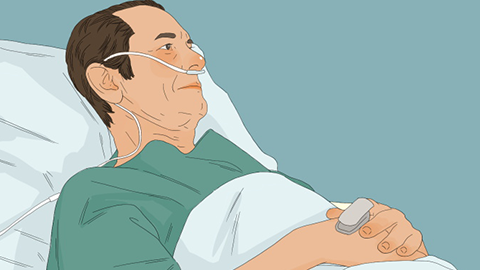
Third, their adverse effects differ: As a localized treatment, radiotherapy primarily causes side effects at the irradiated site—for example, radiation dermatitis, radiation pneumonitis, radiation enteritis, and radiation-induced osteonecrosis. These complications occur exclusively within the irradiated field. Chemotherapy, being systemic, produces diverse adverse effects affecting multiple organ systems—including gastrointestinal disturbances, myelosuppression, hepatorenal dysfunction, cardiotoxicity, pulmonary toxicity, and neurotoxicity—thus impacting various aspects of bodily function.

Maintaining healthy lifestyle habits—including ensuring adequate sleep—can also help alleviate symptoms. Dietary modifications are essential: avoid spicy and irritating foods, and instead consume plenty of fresh fruits and vegetables. We hope this information proves helpful to you.