


What Is Ichthyosis?
Apr 11, 2022
Source: Cainiu Health

Dr. Gan Liqiang
Introduction
What is Ichthyosis?
Ichthyosis—also known as “snake skin disease” or “fish scale dermatosis”—is a group of inherited disorders characterized by abnormal keratinization of the skin. Clinically, it manifests as dry, rough skin with scaly, flaky patches resembling snake skin, hence its colloquial name “snake skin disease.” It commonly affects the extensor surfaces of the limbs and the trunk. Ichthyosis is primarily caused by genetic mutations, most cases presenting in childhood, and leads to symptoms such as severe skin dryness and scaling.
Ichthyosis is a serious skin disorder that cannot be overlooked. Increasingly, more people in our daily lives are being diagnosed with this distressing and chronic condition—yet many remain unfamiliar with it. So, what exactly is ichthyosis? Let’s explore this together.
What Is Ichthyosis?
Ichthyosis—also known as “snake skin disease” or “ichthyosis vulgaris”—is an inherited disorder of keratinization affecting the skin. Its hallmark symptoms include dry, rough skin accompanied by scaly, flaky patches resembling snake skin, hence its colloquial name. It commonly affects the extensor surfaces of the limbs or the trunk. Primarily caused by genetic mutations, ichthyosis typically manifests in childhood and leads to persistent skin dryness and scaling. Beyond physical discomfort, it can also significantly impact patients’ psychological well-being.
The prevalence of ichthyosis is relatively high, and symptom severity varies widely. In severe cases, scaly, dry skin covers the entire body; in milder forms, scaling is predominantly confined to the anterior aspect of the lower legs (shins). Aside from dryness, ichthyosis generally causes no other systemic symptoms. Several clinical subtypes exist, with the most common including ichthyosis vulgaris, congenital ichthyosiform erythroderma, and lamellar ichthyosis—each characterized by distinct features such as generalized erythema (red skin) or large, plate-like scales. Ichthyosis exhibits seasonal variation: symptoms—including intense pruritus (itching) and excessive scaling—typically worsen during winter due to low ambient humidity, underscoring the importance of diligent skin care during this period.
Ichthyosis exhibits seasonal variation: symptoms—including intense pruritus (itching) and excessive scaling—typically worsen during winter due to low ambient humidity, underscoring the importance of diligent skin care during this period.
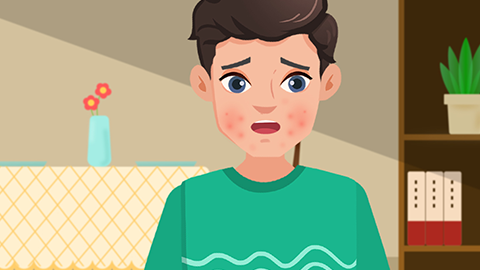
The above provides an overview of what ichthyosis is. Importantly, ichthyosis is non-contagious. However, without timely and appropriate treatment, it tends to recur and progressively worsen. With proper management, skin health can be effectively restored. Therefore, early and active treatment is strongly recommended to prevent disease progression. We hope this information has been helpful to you.





