


Symptoms and Treatment of Herpetic Stomatitis
Apr 12, 2022
Source: Cainiu Health

Dr. Zhang Lei
Introduction
Herpetic stomatitis is an oral mucosal disease caused by the herpes simplex virus. Clinically, the 2–3 days preceding the onset of herpetic lesions constitute the prodromal phase, during which patients experience chills and fever. After the fever subsides, small vesicles appear on the oral mucosa—including the labial and buccal mucosa—which progressively increase in number and coalesce into larger blisters.
Multiple factors—including regular consumption of spicy and irritating foods—can predispose patients to oral inflammation, such as herpetic stomatitis. What are the symptoms and treatment options for herpetic stomatitis?
Symptoms and Treatment of Herpetic Stomatitis
Herpetic stomatitis is an oral mucosal disease caused by the herpes simplex virus (HSV). Clinically, the condition progresses through a prodromal phase lasting approximately 2–3 days prior to the appearance of oral lesions. During this phase, patients commonly experience chills and fever. Once the fever subsides, small vesicles begin to appear on the oral mucosa—including the lips and buccal mucosa—which gradually increase in number and coalesce into larger blisters.

Treatment for herpetic stomatitis typically combines systemic and local therapies. Systemic antiviral therapy—including oral or injectable antiviral medications—is commonly used; however, such medications must be administered under the guidance of a physician to avoid inappropriate or self-directed use. Patients with severe symptoms should promptly seek evaluation at a reputable medical facility.
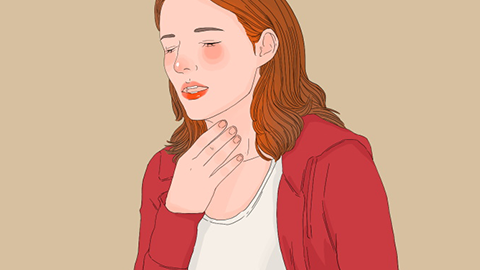
Herpetic stomatitis spreads primarily via direct contact with respiratory droplets, saliva, or vesicular fluid; indirect transmission may also occur through contaminated clothing or objects. The main route of infection is direct contact, with the virus entering the body through the respiratory tract, oral cavity, nasal mucosa, conjunctiva, genital mucosa, or broken skin. Clinically, herpetic stomatitis is classified into primary and recurrent forms. Primary infection most commonly occurs in children under six years of age and is often preceded by upper respiratory tract infection symptoms, including fever and cold-like manifestations. Lesions may affect any site of the oral mucosa, but the hard palate and gingival margin are most frequently involved. We hope this information is helpful to you.




