


How many days does it take for viral herpetic stomatitis in children to resolve?
May 29, 2022
Source: Cainiu Health

Dr. Xie Zixing
Introduction
Herpetic stomatitis in children is caused by infection with the herpes simplex virus; therefore, the typical course of the disease lasts 1–2 weeks. Maintain good oral hygiene, encourage adequate fluid intake, and provide cool or cold liquid foods. Avoid spicy or irritating foods. Topical application of antiviral agents (e.g., herpes ointment) may help suppress viral replication; alternatively, watermelon frost spray or Xi Fen (a traditional Chinese medicine powder) may be applied locally. Prevent secondary infection. If severe pain occurs, a topical application of 2% lidocaine may be administered locally before meals.
In society, some novice mothers fail to provide adequate oral care for their infants, leading to various oral diseases in babies. How long does it take for herpetic stomatitis in children to resolve?
How long does herpetic stomatitis in children take to resolve?
Herpetic stomatitis in children is typically caused by infection with the herpes simplex virus and usually lasts 1–2 weeks. Maintaining good oral hygiene is essential during this period. Encourage the child to drink plenty of fluids, and offer cool, liquid-based foods. Avoid spicy or irritating foods. Topical antiviral agents (e.g., herpes-specific ointments) may be applied locally; alternatively, watermelon frost spray or Xifeng powder may be used. To prevent secondary infection, 2% lidocaine gel may be applied topically before meals if pain is severe. For fever, antipyretics and systemic antiviral therapy are recommended. Antibiotics do not shorten the course of herpetic stomatitis and should only be used if secondary bacterial infection occurs. Lymphadenopathy associated with herpetic stomatitis—often tender and swollen—is common and typically persists for 2–3 weeks.
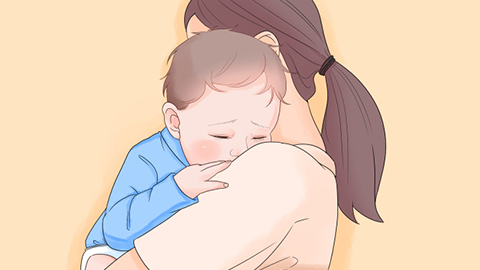
The acute phase of herpetic stomatitis is characterized by fever—often high-grade (around 39°C). After a short interval, small vesicles appear in the oral cavity. These vesicles rupture to form ulcers, which become covered with yellowish-white exudate, eventually coalescing into large ulcerated areas. In some cases, pharyngeal involvement causes sore throat. Infants with herpetic stomatitis experience intense oral pain, often resulting in persistent crying during feeding or sleep.

During recovery, avoid spicy or irritating foods. Instead, provide easily digestible foods and fresh fruits and vegetables. We hope this information is helpful!





