


What are the symptoms of cervicitis?
Apr 12, 2022
Source: Cainiu Health

Dr. Lv Aiming
Introduction
The primary symptoms of cervicitis include:
Abnormal vaginal discharge: Increased volume of discharge that is thick and purulent, or thin and watery (resembling water or rice broth), often with a fishy odor; occasionally mixed with small amounts of blood.
Vaginal bleeding: Primarily contact bleeding, menstrual irregularities (e.g., prolonged menstruation or increased menstrual flow). Postmenopausal women may experience irregular vaginal bleeding.
Cervical cancer is a common condition among women of childbearing age. Not only does it compromise physical health, but it can also significantly disrupt normal daily life and work. What are the symptoms of cervicitis?
What Are the Symptoms of Cervicitis?
The primary symptoms of cervicitis include: Abnormal vaginal discharge: Increased volume of discharge that is thick and purulent, or thin and watery (resembling rice water), often with a fishy odor; occasionally mixed with small amounts of blood. Vaginal bleeding: Typically presents as contact bleeding (e.g., after intercourse), irregular menstrual cycles, prolonged menstruation, or menorrhagia. Postmenopausal women may experience irregular vaginal bleeding. Lower back or pelvic pain: Pain commonly occurs in the lower abdomen or lumbosacral region; sometimes it radiates to the upper abdomen, thighs, or hip joints. Frequent or painful urination: Patients may experience urinary frequency or dysuria, yet urine appears clear and routine urinalysis results are normal.
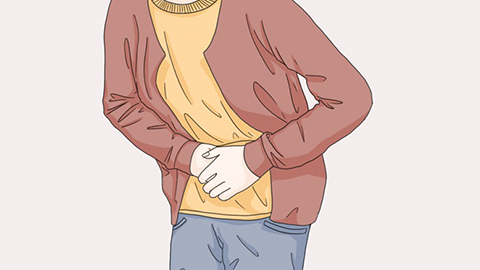
Causes of cervicitis include: compromised immune function; bacterial infection—patients with bacterial cervicitis may benefit from traditional Chinese medicine (TCM) treatment; and irritation from vaginitis, which may trigger cervicitis.
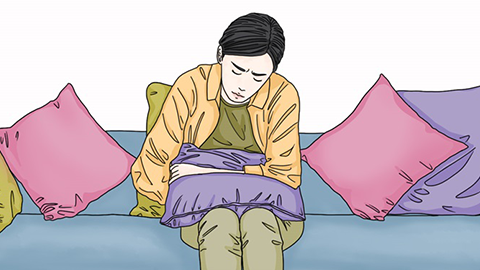
During treatment for cervicitis, sexual intercourse must be avoided. Patients should manage their time wisely, engage in regular physical exercise, and strengthen their body’s resistance. It is essential to cooperate fully with healthcare providers in actively treating the inflammation, maintain strict personal hygiene during therapy, select an appropriate treatment modality, and strictly adhere to prescribed medications. Patients with chronic cervicitis require patience and persistence in treatment, adequate rest, avoidance of excessive fatigue, diligent personal hygiene—including daily external genital cleansing—and wearing breathable underwear. We hope this information proves helpful to you.



