


How to Provide Effective Care for Priapism
Apr 12, 2022
Source: Cainiu Health

Dr. Wang Jianlong
Introduction
First, psychological care must be provided to the patient, as such patients often experience feelings of pessimism—such as low mood and lack of confidence. They should receive treatment at a hospital, where a private room can be arranged for them to avoid embarrassment or shyness. Additionally, healthcare providers should explain the underlying cause of the condition to the patient, enabling them to mentally prepare for surgery.
Many men experience penile erection in public settings—especially in crowded places—leading to embarrassment and unnecessary complications. Effective care is essential during episodes of penile erection. How, then, should one manage priapism (prolonged, abnormal penile erection)?
How to Provide Effective Care for Priapism
First, psychological support is crucial. Patients often experience negative emotions such as depression and diminished self-confidence. Medical evaluation and treatment should be sought promptly. During treatment, patients should be assigned a private room to minimize feelings of embarrassment. Additionally, healthcare providers should clearly explain the underlying cause of priapism to help patients mentally prepare for potential surgical intervention.
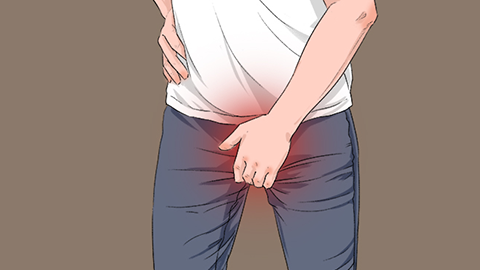
Following surgery, close monitoring of the surgical site is essential. Observe for signs of bleeding, and assess whether the corpora cavernosa have become abnormally rigid or excessively soft. Strict wound hygiene must be maintained, and antibiotics should be administered as prescribed by the physician. Proper postoperative care typically yields rapid, noticeable improvement.
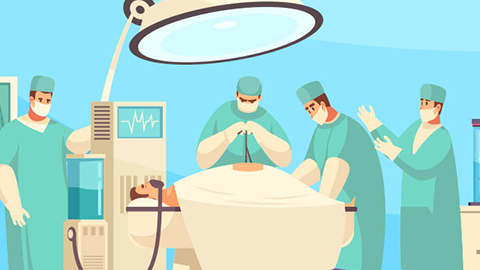
In daily life, maintain cleanliness and dryness of the genital area. Ensure adequate rest, consume a diet rich in high-calorie, high-protein, easily digestible foods, and engage in appropriate physical activity—these measures can facilitate recovery. We hope this information proves helpful to you.







