


How long does it typically take for postpartum lochia to be completely expelled?
Apr 14, 2022
Source: Cainiu Health
Dr. Zhang Xuemei
Introduction
Postpartum lochia is typically expelled within approximately three weeks, though the duration varies among individuals—ranging from a minimum of two weeks to a maximum of six weeks.
- **Bloody lochia** occurs during the first 1–4 days postpartum: it is bright red in color, similar to menstrual blood but heavier in volume.
- **Serous lochia** appears from days 4–6: it is pale red and consists mainly of mucus and other secretions, containing only a small amount of blood.
- After the first week, the discharge transitions to **white lochia**, which is whitish in color.
In daily life, many new mothers experience postpartum lochia after childbirth. As first-time mothers, they may be unfamiliar with this physiological process—how long does it typically take for lochia to completely subside?
How long does postpartum lochia usually last?
Postpartum lochia typically resolves within approximately three weeks, though the duration varies among individuals—ranging from a minimum of two weeks to a maximum of six weeks. Lochia is categorized into three stages: • Bloody lochia occurs during days 1–4 postpartum, appearing bright red and resembling menstrual flow—but often heavier than a normal period. • Serosanguineous lochia appears between days 4–6, presenting as light red or pinkish discharge composed mainly of serous fluid and mucus, with decreasing blood content. • White lochia emerges after day 7, appearing white or pale yellow—similar in appearance to vaginal discharge (leukorrhea), but more abundant.
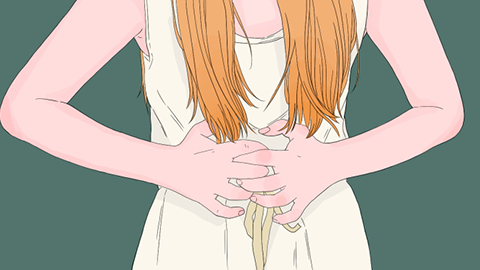
If the mother has uterine inflammation or sustained uterine trauma during delivery, lochia may persist abnormally and be accompanied by abdominal pain. In such cases, prompt medical evaluation is essential. If infection or other complications are confirmed, treatment—including possible surgical intervention—may be required. Mothers may also support lochial clearance through dietary measures, such as drinking mugwort tea.
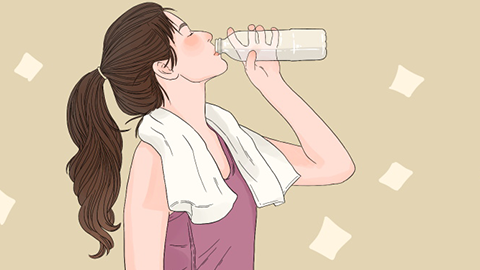
After childbirth, proper perineal hygiene is crucial: change sanitary pads frequently, wear loose-fitting underwear, and avoid spicy, stimulating, or seafood-based foods. Instead, prioritize nutrient-rich meals to replenish energy and promote recovery—for example, consuming eggs regularly can aid postpartum healing. We hope this information proves helpful.



