


What causes prolonged postpartum lochia?
Dec 27, 2024
Source: Cainiu Health

Dr. Zhang Lu
Introduction
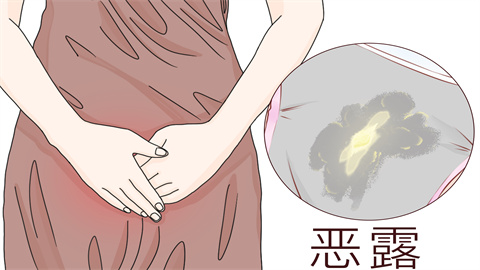
In general, prolonged lochia after childbirth refers to an extended duration of vaginal discharge of blood, necrotic decidua, and other tissues following delivery, beyond the normal physiological recovery period. This phenomenon may be caused by factors such as poor uterine contraction, retained placenta, poor healing of the uterine incision, incomplete uterine involution, or endometritis.
Generally, incomplete discharge of lochia after childbirth may be caused by poor uterine contraction, retained placenta, poor healing of the uterine incision, incomplete uterine involution, endometritis, and other factors. A detailed analysis is as follows:
1. Poor Uterine Contraction
After delivery, the uterus needs to contract gradually to return to its pre-pregnancy state. If the uterine contraction is inadequate, lochia within the uterine cavity cannot be effectively expelled, leading to prolonged lochia discharge. It is recommended that postpartum women engage in appropriate physical activity, such as walking or doing postnatal recovery exercises, to help promote uterine contraction.
2. Retained Placenta
If the placenta does not fully separate during delivery, leaving parts of placental tissue remaining in the uterine cavity, it may interfere with lochia discharge and cause prolonged lochia. It is recommended that the mother undergo a dilation and curettage (D&C) procedure under a doctor's guidance to remove the residual material from the uterine cavity.
3. Poor Healing of the Uterine Incision
Infections at the incision site or improper suturing techniques during cesarean section may lead to poor healing of the uterine incision, thereby affecting uterine contraction and lochia discharge. Symptoms may include incision site pain, redness, swelling, and fluid discharge. In such cases, medications such as Cefuroxime Axetil Tablets, Levofloxacin Tablets, or Ornidazole Tablets may be used under medical guidance to alleviate symptoms.
4. Incomplete Uterine Involution
Possible causes of incomplete uterine involution include weak uterine contractions, retained placenta, and endometritis. The uterus fails to return to its pre-pregnancy state, thus obstructing lochia discharge. Associated symptoms may include lower back pain and a sensation of heaviness in the lower abdomen. Treatment should follow medical advice and may include administration of Oxytocin Injection, Misoprostol Tablets, or Motherwort Granules.
5. Endometritis
Endometritis may be caused by multiple factors such as trauma during delivery, infections, or poor personal hygiene postpartum. The inflammation may lead to uterine endometrial congestion and edema, affecting lochia discharge. Symptoms may also include fever, abdominal pain, and increased vaginal discharge. Under medical guidance, antibiotics such as Cefradine Capsules, Amoxicillin Capsules, or Azithromycin Capsules may be used for treatment.
It is recommended to maintain regular hygiene practices, such as cleaning the external genitalia and keeping it clean and dry to prevent infections. Engaging in appropriate physical activity can also help promote uterine contraction and lochia discharge. Additionally, regular postpartum gynecological examinations should be conducted to promptly detect and manage any abnormalities.



