


Effects of Ophiopogon japonicus
Apr 14, 2022
Source: Cainiu Health

Dr. Ding Yu
Introduction
Ophiopogon japonicus is a traditional Chinese medicine derived from the dried tuberous roots of the plant *Ophiopogon japonicus* (Thunb.) Ker-Gawl., a member of the Asparagaceae family. It has a sweet and slightly bitter taste and a cold nature, and it enters the Heart, Lung, and Stomach meridians. Its primary actions are to nourish Yin, generate body fluids, moisten the lungs, and clear heat from the Heart. Clinically, it is used to treat dry cough due to lung dryness, chronic cough due to Yin deficiency, sore throat and swelling, thirst, fever-induced thirst, irritability and insomnia, and constipation caused by intestinal dryness.
Ophiopogon japonicus (Maidong) is a commonly used traditional Chinese medicinal herb. However, some people may not be fully aware of its specific therapeutic effects and clinical applications. So, what are the functions and benefits of Maidong?
Therapeutic Effects of Maidong
Maidong is a traditional Chinese medicine derived from the dried tuberous roots of Ophiopogon japonicus (L.f.) Ker-Gawl., a plant belonging to the Asparagaceae (formerly Liliaceae) family. Its nature is sweet and slightly bitter, with a cool property, and it primarily enters the Heart, Lung, and Stomach meridians. Its principal actions are nourishing Yin, generating body fluids, moistening the lungs, and clearing Heat from the Heart. Clinically, it is used to treat conditions such as dry cough due to lung dryness, chronic cough resulting from Yin deficiency, sore throat and swelling, thirst (especially due to internal Heat), irritability with insomnia, and constipation caused by intestinal dryness. Due to its sweet-bitter taste and cool nature, and its affinity for the Lung meridian, Maidong effectively nourishes Lung Yin and moistens the lungs while simultaneously clearing Heat—making it suitable both for treating dryness-induced damage to Lung Yin and for alleviating lung dryness.
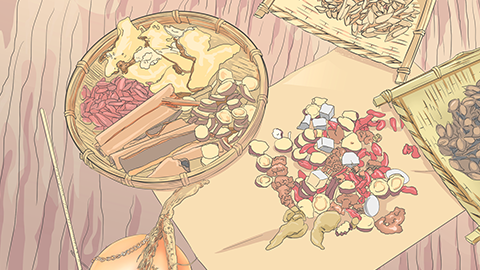
For cases of Lung Heat due to Yin deficiency, Maidong is particularly indicated—especially in patterns characterized by “withering-heat” (a TCM term referring to consumptive heat damaging Yin and fluids) stemming from Lung Yin deficiency. As Maidong also enters the Stomach meridian, it excels at nourishing Stomach Yin, promoting fluid production, and clearing Stomach Heat; thus, it is applicable for symptoms such as fever-induced thirst, thirst due to Stomach Yin deficiency, and constipation arising from intestinal dryness. Moreover, since Maidong enters the Heart meridian, it possesses the ability to clear Heart Fire, relieve restlessness, and calm the Shen (spirit). It can alleviate Heart Heat and promote mental tranquility. Additionally, because Maidong influences both the Lung and Stomach meridians, it may be employed whenever signs and symptoms of Yin deficiency with Heat in either the Lung or Stomach are present. Note, however, that Maidong should be avoided—or used only with caution—in individuals with Spleen-Stomach deficiency, diarrhea, wind-cold invasion (e.g., common cold with chills and aversion to cold), or phlegm-damp cough and wheezing.
In daily life, it is advisable to adjust your diet appropriately—consuming more fresh fruits and vegetables while minimizing intake of spicy and stimulating foods. Regular participation in outdoor physical activities can also enhance overall immunity and help prevent disease. We hope this information proves helpful to you.


