


What are the health hazards of chlorine gas to humans?
Apr 14, 2022
Source: Cainiu Health

Dr. Guo Xiheng
Introduction
Chlorine dioxide is an oxide of chlorine, primarily used for disinfecting drinking water, bleaching flour, and bleaching wood pulp. High concentrations of chlorine dioxide gas can irritate the skin; prolonged exposure may lead to chronic bronchitis. It also irritates the human respiratory tract, causing symptoms such as coughing, chest tightness, and chest pain.
Some individuals encounter chlorine gas in daily life but remain unaware of its hazards. So, what harm does chlorine gas pose to the human body?
Health Hazards of Chlorine Gas
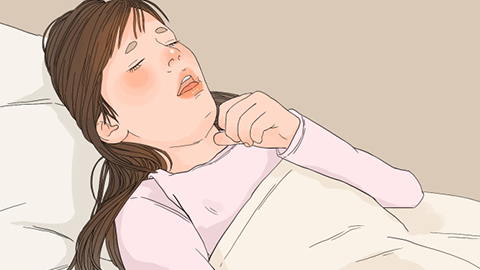
Chlorine dioxide is a yellow-red gas and an oxide of chlorine, primarily used for disinfecting drinking water, as well as for bleaching flour and wood pulp. High concentrations of chlorine dioxide gas can irritate the skin; direct skin contact or ingestion of highly concentrated chlorine dioxide solutions may cause severe irritation and corrosion. Prolonged exposure may lead to chronic bronchitis and can also irritate the respiratory tract, resulting in symptoms such as coughing, chest tightness, and chest pain.

If only a small amount is inhaled, the risk is generally low and bodily effects are usually minimal. If accidental inhalation occurs, immediately move to a well-ventilated area—or open windows and doors to ensure adequate air circulation—and promptly leave the chlorine-contaminated environment. Rinse the nasal passages with clean water and brush your teeth. Actively clear the nose and cough to facilitate toxin elimination. It is advisable to avoid toxic environments and spend time outdoors breathing fresh air. Additionally, seek medical attention for supplemental oxygen therapy, and consider nebulized administration of medications such as aminophylline and budesonide to help dilate the airways and alleviate discomfort.
Furthermore, under physician guidance, intravenous dexamethasone may be administered to prevent pulmonary edema following chlorine inhalation. In severely affected patients, artificial airway ventilation may be required. Individuals experiencing symptoms should promptly visit a hospital for evaluation and receive appropriate treatment as directed by a healthcare professional. All medications must be used strictly under medical supervision. We hope this information proves helpful to you!





