


What medications are effective for cervical spondylosis?
Apr 15, 2022
Source: Cainiu Health

Dr. Lin Yunfei
Introduction
For different types of cervical spondylosis, medications with varying mechanisms of action are employed. For instance, in cases where pain is the predominant symptom, commonly used drugs include nonsteroidal anti-inflammatory drugs (NSAIDs) such as indomethacin, celecoxib, and etoricoxib, as well as muscle relaxants like miqubao (tizanidine). Additionally, Gua-Bone Injection—a traditional Chinese medicine preparation—may be administered. If paresthesia (numbness) is prominent, migubao tablets (vitamin B12) and neurotrophic agents may be added to the treatment regimen.
Cervical spondylosis is a relatively common condition. It often arises from prolonged poor posture (e.g., sitting incorrectly), as well as high levels of physical and psychological stress associated with work and daily life. What medications are effective for treating cervical spondylosis?
What Medications Are Effective for Cervical Spondylosis?
Treatment varies depending on the specific type of cervical spondylosis. For cases primarily characterized by pain, commonly prescribed medications include nonsteroidal anti-inflammatory drugs (NSAIDs) such as indomethacin, celecoxib, and etoricoxib, as well as muscle relaxants like miqunap (miqunap tablets). Gua-Bone Injection—a traditional Chinese medicine preparation—may also be used. If numbness is prominent, medications such as mecobalamin tablets and neurotrophic agents may be added. For vertebral artery-type cervical spondylosis, primarily presenting with dizziness, nimodipine and Danghong Injection may be employed.
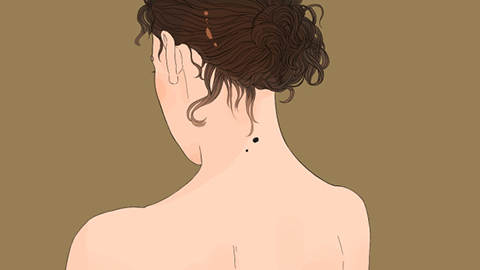
Cervical spondylosis is classified into four main types, each with distinct clinical manifestations. The most common type typically presents with neck muscle stiffness and soreness. Cervical radiculopathy results from nerve root compression, leading to numbness or tingling in the upper limbs. Vertebral artery-type cervical spondylosis causes localized circulatory impairment, resulting in insufficient cerebral blood supply and symptoms such as dizziness and headache. Myelopathic cervical spondylosis may produce a “cotton-wool” sensation underfoot and, in severe cases, lead to functional impairment.
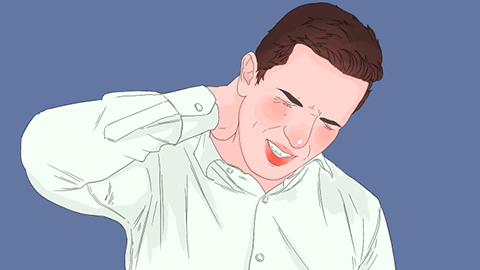
Patients with cervical spondylosis should avoid prolonged periods of forward head flexion during work. Regular breaks with appropriate physical activity are recommended. Keeping the neck warm is important, and pillows should not be excessively high. Adhering to these four lifestyle principles—maintaining proper posture, taking regular breaks, staying warm, and using an appropriately sized pillow—can effectively alleviate symptoms. We hope this information proves helpful.


