


How long does postherpetic neuralgia last?
Apr 15, 2022
Source: Cainiu Health

Dr. Gan Liqiang
Introduction
During treatment, it is essential to maintain optimal baseline health. A diet rich in high-protein and high-vitamin foods is recommended to enhance immune resistance. Additionally, neuromodulating medications—such as gabapentin, pregabalin, and high-dose vitamin B—are required throughout treatment. Analgesia is achieved via nonsteroidal anti-inflammatory drugs (NSAIDs), administered either orally or by injection. The extent of improvement in postherpetic neuralgia depends largely on the patient’s individual physical condition.
Postherpetic neuralgia (PHN) is a prolonged condition, often lasting six months to one year—and in severe cases, up to three or four years. Therefore, patients who develop PHN should promptly seek diagnosis and treatment at a reputable hospital. So, how long does it take for postherpetic neuralgia to resolve?
How long does postherpetic neuralgia take to resolve?
While undergoing treatment, it is essential to maintain optimal baseline health. Patients are advised to consume foods rich in high-quality protein and vitamins to enhance immune resistance. Treatment typically includes neuromodulating agents such as gabapentin, pregabalin, and high-dose vitamin B complex, along with oral or injectable nonsteroidal anti-inflammatory drugs (NSAIDs) for pain relief.
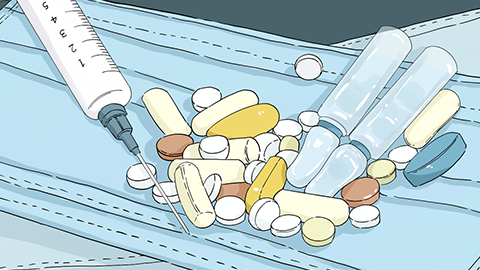
The extent and speed of recovery from postherpetic neuralgia depend largely on the individual’s overall health status. Younger individuals with robust self-repair capacity tend to recover more rapidly—those aged 30–40 years, for example, may recover within several weeks or up to two months. In contrast, older adults—especially the elderly—often experience significantly longer durations of PHN; in some documented cases, symptoms have persisted for as long as ten years.
If you develop postherpetic neuralgia, it is recommended to first consult a pain management specialist for interventions such as nerve blocks—a targeted therapy applied directly to the affected nerves—which can yield favorable outcomes. PHN is a chronic condition; its primary therapeutic goal is rapid and effective pain control. Complete resolution depends on disease severity and individual response. Pharmacotherapy remains the safest and most effective treatment modality; most patients require medication for at least six months, while others may need treatment for two to three years—or even longer, with sustained adherence to prescribed regimens. We hope this information proves helpful.



