


How to Treat Henoch-Schönlein Purpura
Apr 15, 2022
Source: Cainiu Health

Dr. Li Man
Introduction
How to Treat Henoch-Schönlein Purpura (HSP):
1. Glucocorticoid Therapy: Glucocorticoids are the first-line treatment, including oral prednisone acetate and dexamethasone.
2. Intravenous Immunoglobulin (IVIG) Therapy: IVIG modulates immune function and rapidly promotes platelet production, making it suitable for patients with severe disease.
3. Splenectomy: If glucocorticoid therapy proves ineffective, splenectomy may be considered.
Allergic purpura is a hemorrhagic vasculitis—a type of blood vessel inflammation—also known as vasculitis. It can severely compromise patients’ hematological health and therefore requires prompt treatment. So, how is allergic purpura treated? Let’s explore the options below.
How to Treat Allergic Purpura
1. Glucocorticoid Therapy
Glucocorticoids are the first-line treatment for allergic purpura. Under medical supervision, patients may be prescribed corticosteroid medications such as prednisone acetate or dexamethasone.
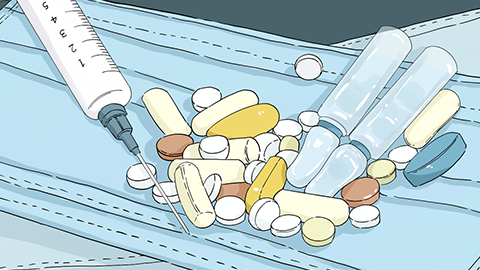
2. Intravenous Immunoglobulin (IVIG) Therapy
Intravenous immunoglobulin therapy is another option for patients with allergic purpura. IVIG helps modulate immune function and rapidly promotes platelet production. This treatment is reserved for severe cases—particularly when platelet counts are critically low or life-threatening bleeding occurs—due to its high cost; it is generally not recommended unless absolutely necessary.
3. Splenectomy
If glucocorticoid therapy proves ineffective, disease control remains inadequate, or the patient is intolerant to corticosteroids, splenectomy may be considered. Approximately 75% of patients undergoing splenectomy achieve remission.
4. Dietary and Lifestyle Modifications
Proper nutrition and healthy lifestyle habits serve as valuable adjuncts to medical treatment. Patients should prioritize adequate rest and avoid overexertion. Dietarily, they must avoid irritants such as raw garlic, raw onions, and chili peppers.

The above outlines the main therapeutic approaches for allergic purpura. Patients diagnosed with this condition should seek timely medical care—early detection, early intervention, and early recovery are essential. Daily management should include a light, balanced diet and sufficient rest. Prompt hospital evaluation is strongly advised. We hope this information proves helpful.



