


Why does a breastfed baby have diarrhea?
Apr 18, 2022
Source: Cainiu Health
Dr. Yang Qiong
Introduction
Breastfed infants can also experience diarrhea. Due to their young age and immature gastrointestinal (GI) tract development, along with variations in the mother’s diet or excessive milk intake by the infant, GI dysfunction may occur, potentially leading to diarrhea. In breastfed infants, diarrhea may be caused by lactose intolerance—a condition in which the infant is unable to digest lactose present in breast milk, failing to break it down into galactose and glucose.
With the gradual improvement of daily living standards, most women choose breastfeeding after childbirth, hoping that this practice will promote their baby’s health. However, some breastfed infants develop diarrhea. So, what causes diarrhea in breastfed babies?
What Causes Diarrhea in Breastfed Babies?
Even exclusively breastfed infants can experience diarrhea. Due to their immature gastrointestinal (GI) tract development, frequent changes in maternal diet, excessive milk intake, or GI functional disturbances, infants may develop diarrhea. In breastfed babies, diarrhea may also indicate lactose intolerance—a condition in which the infant cannot properly digest lactose (the primary sugar in breast milk), failing to break it down into galactose and glucose. This leads to increased osmotic pressure within the intestinal lumen, resulting in symptoms such as abdominal distension, diarrhea, nausea, and vomiting. Affected infants may pass watery, acidic, frothy stools more than ten times per day. In such cases, mothers should adjust their diet—avoiding cow’s milk and limiting high-lactose foods such as legumes and Atractylodes macrocephala. Lactase supplements may be administered to the infant. Various lactase preparations are available; selection should be made based on clinical guidance. Typically, lactase is given 15 minutes before breastfeeding and repeated approximately every three hours. Symptoms usually improve within about two weeks of treatment. Diarrhea may also stem from acute gastroenteritis or other conditions; therefore, stool analysis may be necessary to confirm diagnosis and guide timely medical consultation.
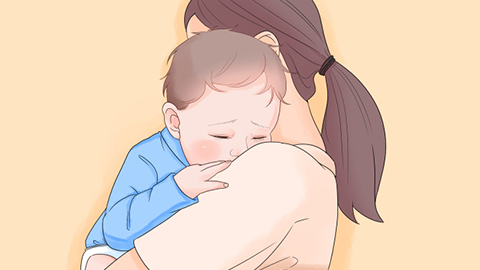
First, mothers should modify their diet—reducing intake of highly fermentable or hard-to-digest foods and avoiding greasy, cold, or otherwise irritating items. Feeding should follow a “small-quantity, frequent-interval” approach. Persistent or recurrent diarrhea warrants evaluation for possible intestinal allergy or food intolerance, requiring further diagnostic testing at a healthcare facility.

Parents must not dismiss diarrhea in breastfed infants lightly. Close monitoring of stool frequency and characteristics is essential. If stool frequency increases markedly or signs of dehydration appear (e.g., decreased urine output, dry mouth, lethargy), prompt medical intervention is required. We hope this information proves helpful to you.







