How can hand eczema be treated to achieve a complete cure?
Apr 18, 2022
Source: Cainiu Health

Dr. Gan Liqiang
Introduction
Tinea manuum can be treated with topical medications. Under a physician’s guidance, topical antifungal agents—such as Daktarin (miconazole nitrate cream), Micatin (miconazole nitrate cream), or compound benzoic acid ointment—may be used. After complete resolution of the skin lesions, consolidation therapy should continue for an additional 1–2 weeks. Alternatively, systemic antifungal therapy may be prescribed under medical supervision, used in combination with topical treatment.
Tinea manuum (hand ringworm) is a common contagious fungal infection. When affected, patients not only experience intense itching but also suffer cosmetic impairment of the hands. How can tinea manuum be treated effectively to achieve a complete cure?
How to Achieve a Complete Cure for Tinea Manuum
Tinea manuum can be treated with topical antifungal medications. Under medical supervision, topical antifungal agents—such as Daktarin (miconazole nitrate cream), clotrimazole cream, or compound benzoic acid ointment—may be applied. After complete resolution of skin lesions, treatment should be continued for an additional 1–2 weeks to consolidate therapeutic effects. Alternatively, systemic antifungal therapy may be prescribed by a physician in conjunction with topical treatment. Oral antifungal agents—such as fluconazole capsules—offer faster resolution and lower recurrence rates, and also treat concurrent fungal infections elsewhere on the body. To achieve a definitive cure, it is essential to simultaneously treat any other fungal infections present elsewhere on the body, thereby preventing reinfection of the hands.
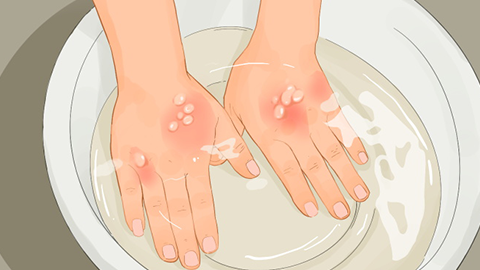
Tinea manuum is also known as “palmar psoriasis” (a traditional term, though not related to true psoriasis). It commonly refers to a dermatophyte (mold or fungus) infection affecting the palms and fingers, manifesting as a hyperkeratotic dermatosis on the dorsal or palmar surfaces of the hands or fingers. This leads to localized granular thickening, pruritus, and a rough, sandpaper-like texture upon palpation.
When infected with tinea manuum, scratching should be avoided to prevent desquamation or secondary spread to healthy skin areas. Dietarily, spicy, stimulating, and greasy foods should be avoided, as they may exacerbate symptoms. We hope this information proves helpful!