


Causes of Acne on the Chin
Apr 18, 2022
Source: Cainiu Health
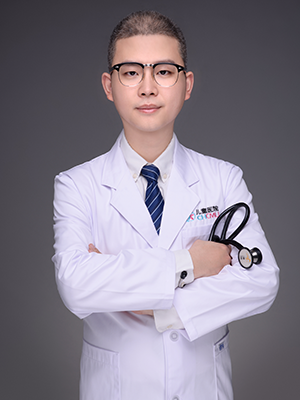
Dr. Gan Liqiang
Introduction
Chin acne refers specifically to acne lesions appearing on the chin and is primarily characterized by folliculitis. The main contributing factor is endocrine imbalance—particularly elevated androgen levels leading to excessive sebum production. Additionally, abnormal keratinization at the opening of the pilosebaceous duct impedes normal sebum excretion. Another cause is microbial infection within the hair follicle, commonly by *Cutibacterium acnes* (formerly *Propionibacterium acnes*). Other contributing factors include dietary habits and psychological stress.
Acne on the chin is a very common occurrence in daily life. Women, in particular—who often place great importance on appearance—may become especially anxious when experiencing numerous chin breakouts. In fact, there are many potential causes of chin acne. So, what are the underlying reasons?
Causes of Chin Acne
Chin acne refers specifically to pimples appearing on the chin and primarily manifests as folliculitis. The main contributing factor is endocrine-related—elevated androgen levels leading to excessive sebum production. Additionally, abnormal keratinization at the opening of the pilosebaceous duct impedes normal sebum excretion. Another key factor is microbial infection within the hair follicle, commonly by Cutibacterium acnes (formerly Propionibacterium acnes). Other contributing factors include dietary habits and psychological stress. Because the chin region contains a relatively high density of hair follicles and sebaceous glands, these factors collectively promote excessive sebum secretion and subsequent development of inflammatory papules.
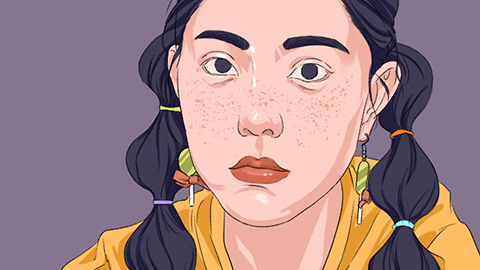
Treatment for chin acne follows standard acne management protocols, targeting the underlying pathogenic mechanisms. For instance, certain medications may be prescribed—such as traditional Chinese medicine (TCM) formulations tailored to individual patterns of disharmony, which aim to clear heat, resolve toxicity, reduce inflammation, and alleviate swelling. Alternatively, oral anti-androgenic agents—like tanshinone—may be used. Tanshinone possesses anti-inflammatory properties, suppresses excessive androgen secretion, and exhibits antimicrobial activity. Employing these therapeutic approaches synergistically enhances treatment efficacy for chin acne.
In addition, proper daily skincare is essential: maintain local dryness and cleanliness; consume light, easily digestible foods; avoid spicy, irritating, or excessively greasy foods. We hope this information is helpful to you.




