


What Causes Constipation in Babies Who Drink Formula?
Apr 20, 2022
Source: Cainiu Health

Dr. Liu Zhengxin
Introduction
The primary cause of constipation in infants fed with formula milk is an intolerance or poor adaptation to the formula. Some parents believe that preparing the formula more concentrated will provide more nutrients for their baby; however, this may instead lead to infantile formula-induced digestive upset. Additionally, insufficient fluid intake or inadequate milk volume can result in reduced fecal residue, thereby contributing to constipation. Furthermore, it is advisable to regularly include fruits and vegetables in the child’s diet while avoiding overeating or consuming excessively greasy foods.
In real life, various factors may necessitate feeding infants with infant formula instead of breast milk. So, what causes constipation in babies fed with formula?
What Causes Constipation in Formula-Fed Babies?
The primary cause of constipation in formula-fed babies is intolerance or poor adaptation to the formula. Some parents mistakenly believe that a more concentrated formula provides greater nutritional benefits; however, excessive concentration can actually lead to infant digestive discomfort or even indigestion. Additionally, insufficient fluid intake or inadequate formula volume may result in reduced fecal residue, thereby contributing to constipation. Since infants’ digestive systems are still immature and their digestive capacity is relatively weak, excessive or poorly balanced nutrients in formula may not be fully absorbed or digested—potentially triggering constipation and “internal heat” (a traditional Chinese medicine concept referring to symptoms such as dry mouth, irritability, and flushed face due to excessive internal “fire”).
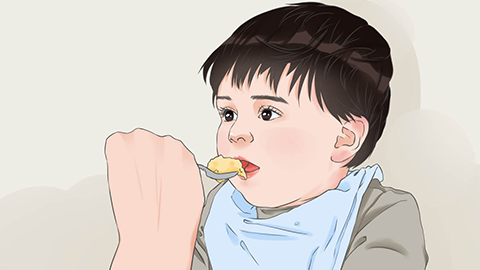
If feasible, consider switching to another brand of formula. In daily life, encourage your child to consume more fruits and vegetables, and avoid overeating or consuming excessively greasy foods. Foods such as celery, spinach, bananas, and dragon fruit can help stimulate intestinal motility, promote bowel movements, and lubricate the intestines. Increasing outdoor physical activity also supports healthy digestion and intestinal motility.
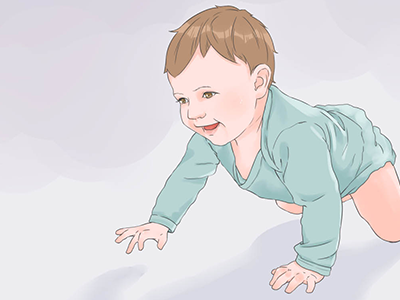
If constipation persists, consult a pediatrician for guidance on using probiotics to help regulate gut function—this approach often yields noticeable improvement. Prolonged untreated constipation may harm the infant’s intestinal health, impair nutrient absorption, and potentially lead to complications such as hemorrhoids. We hope this information proves helpful!






