


What medications are effective for treating gallstones?
Apr 20, 2022
Source: Cainiu Health

Dr. Jin Zhongkui
Introduction
What medication is best for gallstones depends on the individual case.
Causes of gallstones: Changes in bile composition are the most common cause of gallstone formation. For patients with gallstones, dietary habits in daily life require special attention. Maintaining appropriate physical activity and consuming plenty of fresh fruits and vegetables can effectively prevent gallstones.
Gallstones are an extremely distressing condition that can cause severe, unbearable pain. Many individuals are unaware of the optimal treatment approach for gallstones—so, what medications are most effective for treating gallstones?
Which Medications Are Most Effective for Gallstones?
The choice of medication depends on the individual’s specific clinical situation. If cholecystitis is caused by gallstones, clindamycin may be used for treatment. For patients experiencing severe pain, anisodamine can provide effective analgesia. In cases of cholesterol gallstones, ursodeoxycholic acid (UDCA) may be administered to dissolve stones and help prevent recurrence. For milder symptoms, anti-inflammatory and litholytic tablets may promote gallstone expulsion. In patients with impaired liver function, reduced glutathione may be used to support hepatic protection.
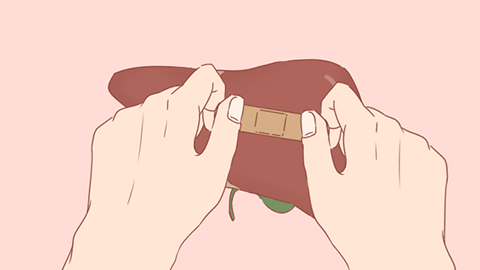
Causes of Gallstones: Alterations in bile composition represent the most common cause of gallstone formation. Bile consists primarily of bile salts, cholesterol, and inorganic salts; excessive cholesterol concentration can lead to bile supersaturation, precipitation, and subsequent stone formation. Biliary stasis is another key contributing factor.

Patients with gallstones must pay close attention to their daily diet, as gallstone formation is often associated with high-fat dietary habits and insufficient physical activity. Such lifestyle factors contribute to cholesterol imbalance and gallstone development. Therefore, patients should adhere to a low-salt, low-fat, and moderate-protein diet; maintain regular, appropriate physical exercise; and consume ample fresh fruits and vegetables—all of which can effectively help prevent gallstone formation. We hope this information proves helpful to you.




