


How to treat pain and swelling in the middle finger joint
Apr 24, 2022
Source: Cainiu Health

Dr. Lin Yunfei
Introduction
Swelling of the middle finger joint may result from soft tissue contusion caused by trauma. Ice application can be used within 24 hours to reduce swelling, combined with topical medications for traumatic injuries. After 48 hours, heat application may be applied to accelerate tissue healing. Rheumatoid arthritis may also cause swelling and pain in the finger joints; this is commonly triggered by cold exposure, and local heat application often provides effective relief.
In daily life, some individuals experience swelling and pain in the middle finger joints after physical activity. Exposure to cold wind may exacerbate the pain, significantly impairing quality of life. So, how should swelling and pain in the middle finger joint be treated?
How to Treat Swelling and Pain in the Middle Finger Joint
Swelling of the middle finger joint may result from soft-tissue contusion due to trauma. Within the first 24 hours, ice application is recommended to reduce swelling, combined with topical medications for traumatic injuries. After 48 hours, heat application can be initiated to accelerate tissue healing. Rheumatoid arthritis may also cause joint swelling and pain in the fingers—often triggered by cold exposure—and local heat application typically provides effective relief. If pain is severe, anti-inflammatory and analgesic medications may be taken as adjunctive therapy.
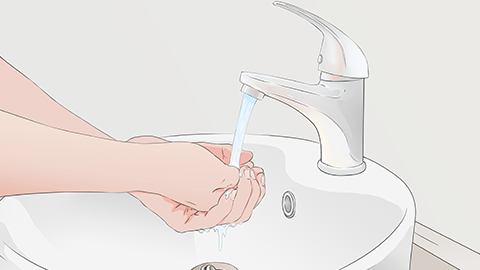
Swelling and pain in the middle finger joint may stem from the following causes:
1. The most common cause is trauma—such as sprains, contusions, or puncture injuries to the finger—which typically presents with joint pain, swelling, and restricted mobility following injury.
2. Cold exposure—for example, prolonged contact with cold water or exposure to cold drafts—may induce sterile inflammation within the interphalangeal joint, leading to swelling and pain.
3. Systemic conditions—including rheumatoid arthritis, gouty arthritis, and other autoimmune or inflammatory arthritides—can also cause joint swelling and pain at this site.
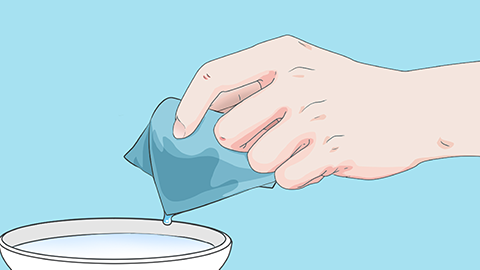
In daily life, maintain warmth, follow a light diet, avoid raw, cold, or spicy foods, engage in regular physical exercise, and ensure adequate rest. We hope this information proves helpful. Wishing you good health and happiness!








