


What are the symptoms of median nerve injury?
Nov 19, 2025
Source: Cainiu Health

Dr. Zhang Baohua
Introduction
Symptoms of median nerve injury typically include paresthesia in the fingers, atrophy of hand muscles, impaired thumb movement, hand pain and numbness, and difficulty with fine motor tasks. Paresthesia: After injury, sensation may be diminished or lost in the thumb, index finger, middle finger, and radial half of the ring finger, leading to numbness, tingling, burning sensations, or reduced sensitivity when touching objects.
Symptoms of median nerve injury generally include abnormal finger sensations, hand muscle atrophy, thumb movement impairment, hand pain and numbness, and difficulty performing fine motor tasks. A detailed analysis is as follows:
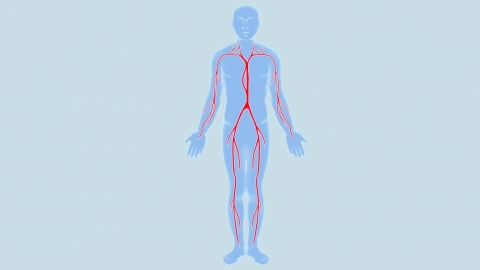
1. Abnormal finger sensation: After injury, sensation may be reduced or lost in the thumb, index finger, middle finger, and radial half of the ring finger. Patients may experience numbness, tingling, or burning sensations. Tactile perception becomes dull—for example, they may be unable to clearly distinguish between hot and cold temperatures or feel little when touching rough surfaces.
2. Hand muscle atrophy: Prolonged nerve damage leads to atrophy of the thenar muscles (muscles at the base of the thumb), resulting in a sunken appearance at the base of the thumb and obvious hand deformity. Muscle strength decreases, grip power weakens, and patients find it difficult to firmly grasp objects.
3. Thumb movement impairment: The median nerve controls thumb movement. When injured, the thumb cannot perform normal opposition movements (such as pinching with other fingers), and flexion and extension become difficult. In severe cases, the thumb remains partially flexed and cannot actively straighten or adduct.
4. Hand pain and numbness: Pain is mainly concentrated in the palm, fingers, and inner forearm. It may occur continuously or intermittently and often worsens at night or after exertion. Some patients may have their sleep disrupted due to pain, and the numbness tends to gradually intensify over time, sometimes even spreading to the forearm.
5. Difficulty with fine motor tasks: Due to impaired finger sensation and reduced muscle control, patients are unable to perform delicate actions such as threading a needle, buttoning clothes, writing, or using chopsticks. Motor coordination deteriorates, significantly affecting daily life and work activities.
When any of the above symptoms appear, prompt medical evaluation at an orthopedic or neurosurgical department is necessary. Diagnostic tests such as neurological examinations and electromyography (EMG) can help determine the extent of nerve damage. Once diagnosed, patients should follow medical advice for treatment and, if needed, engage in rehabilitation training to promote recovery of nerve function.





