


What should I do if the intrauterine device (IUD) has moved downward?
Apr 24, 2022
Source: Cainiu Health

Dr. Yang Qiong
Introduction
First, it is essential to determine whether the intrauterine device (IUD) has descended. Typically, patients may experience symptoms such as menorrhagia (excessively heavy menstrual bleeding), prolonged menstruation, and persistent or unrelenting menstrual flow. When these symptoms occur, physicians perform a color Doppler ultrasound examination to assess whether the IUD has shifted downward. Color Doppler ultrasound can confirm the presence of the IUD within the uterus and evaluate whether its position remains normal.
Intrauterine devices (IUDs) are a commonly used contraceptive method in daily life, widely accepted by women due to their convenience and cost-effectiveness. However, in some cases, women may experience IUD displacement—specifically, downward migration of the device. So, what should be done if an IUD shifts downward?
What to Do If an IUD Shifts Downward
First, it is essential to confirm whether the IUD has indeed migrated. Typical symptoms include menorrhagia (excessively heavy menstrual bleeding), prolonged menstrual duration, and persistent or irregular uterine bleeding. When such symptoms occur, physicians typically perform a color Doppler ultrasound examination to determine whether the IUD has shifted downward. This imaging modality can verify both the presence of the IUD within the uterine cavity and its precise anatomical position.
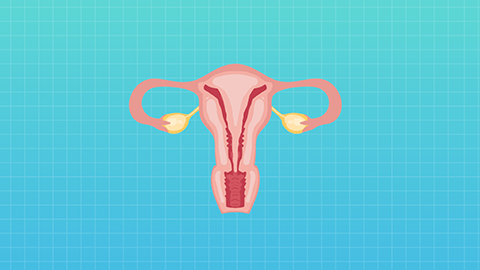
Once IUD displacement is confirmed, prompt removal is recommended. The optimal timing for removal is generally 3–7 days after menstruation has completely ceased. If menstrual bleeding persists, pharmacological treatment may be initiated prior to removal. Sexual intercourse should be avoided for three days before the procedure. In cases of acute genital tract infections—such as acute vaginitis or pelvic inflammatory disease—the infection must first be adequately treated before IUD removal. Prior to the procedure, the bladder should be emptied. A preemptive analgesic injection is usually administered to minimize discomfort during removal. For non-embedded IUDs, standard removal techniques are generally safe and effective.
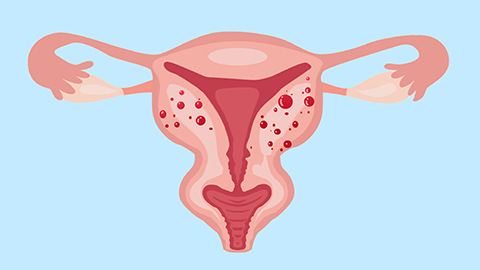
For embedded IUDs, removal under real-time color Doppler ultrasound guidance is strongly recommended. If embedding is severe and conventional removal proves impossible, hysteroscopic IUD extraction should be performed. Within one month post-procedure, sexual intercourse and tub bathing should be avoided; prophylactic anti-inflammatory medication should be taken to prevent infection; and patients should closely monitor for abdominal pain or vaginal bleeding. Hemostatic agents may be prescribed as needed. Women without immediate plans for pregnancy should adopt alternative contraceptive methods or consider replacing the IUD with a new intrauterine device. We hope this information proves helpful!



