


What Are the Best Treatment Options for Lung Cancer?
Apr 24, 2022
Source: Cainiu Health
Dr. Peng Xiaodong
Introduction
The optimal treatment approaches for lung cancer include surgery, chemotherapy, biologically targeted drug therapy, radiotherapy, and immunotherapy. Surgical treatment is primarily indicated for patients with non-small cell lung cancer (NSCLC) diagnosed at an early stage—before the disease has progressed to advanced stages. In contrast, over 90% of small cell lung cancer (SCLC) cases have already developed distant metastases by the time of diagnosis; therefore, surgery is generally not recommended for SCLC, and treatment relies mainly on chemotherapy and radiotherapy.
Lung cancer is commonly encountered in daily life and remains an incurable disease. Unfortunately, a diagnosis can inflict severe physical and psychological burdens on affected individuals. So, what are the optimal treatment options for lung cancer?
What Are the Optimal Treatment Options for Lung Cancer?
The optimal treatments for lung cancer include surgery, chemotherapy, biologic targeted therapy, radiotherapy, and immunotherapy. Surgical intervention is primarily indicated for patients with non-small cell lung cancer (NSCLC) diagnosed at an early stage—before distant metastasis occurs. In contrast, over 90% of small cell lung cancer (SCLC) cases have already metastasized distantly by the time of diagnosis; thus, surgery is generally not recommended for SCLC, and chemotherapy combined with radiotherapy forms the mainstay of treatment. Targeted drug therapy is mainly used for patients with advanced adenocarcinoma, following molecular genetic testing to determine eligibility. Chemotherapy must be carefully prescribed, strictly adhering to appropriate indications while thoroughly considering tumor stage, patient’s overall health status, and potential adverse drug reactions. Radiotherapy encompasses several approaches, including definitive (curative), palliative, adjuvant, neoadjuvant, and prophylactic radiotherapy. Immunotherapy represents a relatively novel therapeutic modality and is applicable to most patients with advanced-stage tumors, potentially extending survival.
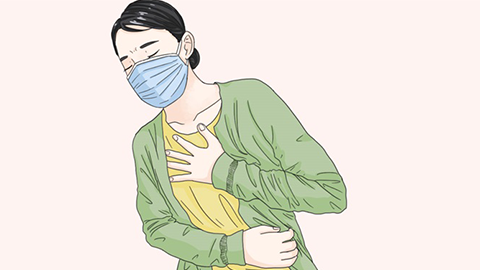
Lung cancer management should adopt a multidisciplinary, integrated approach tailored to each patient’s individual physical condition and pathological subtype. Personalized treatment strategies—including combinations of different modalities and medications—are essential to achieve either curative intent or maximal tumor control.

Following surgery, patients should initially consume light, easily digestible liquid or semi-liquid foods, gradually transitioning to a regular diet. Nutritional intake should be optimized through frequent, small meals. We hope this information proves helpful to you.




