


What disease does pain in the middle finger joint indicate?
Apr 24, 2022
Source: Cainiu Health

Dr. Lin Yunfei
Introduction
Pain in the middle finger joint accompanied by synovial inflammation. Rest adequately, keep the joint warm, and take anti-inflammatory and analgesic medications along with cartilage-nourishing agents—such as glucosamine hydrochloride. Apply warm compresses as adjunctive therapy. Prepare a concentrated decoction using an appropriate amount of Sichuan pepper, scallions, and garlic cloves; use this to wash the affected joint—this remedy helps relieve pain, reduce swelling, and promote blood circulation, particularly for rheumatic and rheumatoid arthritis-related joint pain. Patients develop pain in the middle finger joint.
As some individuals age, they may develop joint pain. If left unmanaged, this pain can lead to further complications. What underlying conditions might be indicated by pain in the middle finger joint?
What Conditions Might Middle Finger Joint Pain Indicate?
Pain in the middle finger joint is often associated with inflammation of the synovial membrane (synovitis). Patients should rest adequately, maintain warmth around the affected area, and take anti-inflammatory and analgesic medications along with chondroprotective agents—such as glucosamine hydrochloride. Complementary heat therapy is also recommended. Additionally, a concentrated decoction made from适量 Sichuan pepper, scallions, and garlic cloves may be used to wash the affected joint; this traditional remedy helps relieve pain, reduce swelling, and promote blood circulation—particularly for rheumatic or rheumatoid joint pain.
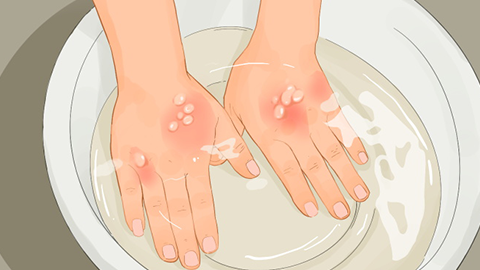
Following onset of middle finger joint pain, three primary causes should be considered: First, traumatic injury—especially involving ligaments, the joint capsule, or bone surrounding the middle finger joint—which commonly results in joint swelling, pain, and restricted mobility. Second, overuse or degenerative changes—particularly when excessive force is repeatedly applied to the middle finger, leading to ligamentous and capsular strain, spasm, edema, and subsequent osteophyte formation, all of which may provoke joint pain. Third, infection—where middle finger joint infection manifests with classic signs of inflammation: redness, swelling, warmth, and pain.
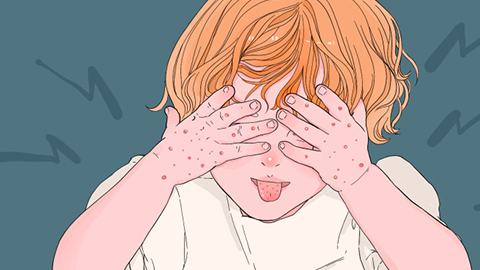
If the patient experiences aching pain in the middle finger joint or surrounding muscles—impairing flexion and extension—and the pain is migratory in nature, accompanied initially by aversion to wind and fever, modified Fangfeng Tang (Decoction of Saposhnikovia) may be prescribed. Alternatively, if the pain is localized, intensifies in cold conditions, eases with warmth, and is associated with limited joint mobility, combined with noticeable swelling and tenderness, Coix Seed Decoction (Yi Yi Ren Tang) may be indicated. We hope this information proves helpful to you!








