How is the erythrocyte sedimentation rate (ESR) test performed?
Apr 25, 2022
Source: Cainiu Health

Dr. Li Man
Introduction
Erythrocyte sedimentation rate (ESR) is measured by drawing a blood sample; it is expressed as the distance (in millimeters) that red blood cells fall in one hour. In healthy adults, the normal ESR is typically no higher than 15 mm/h for men and no higher than 20 mm/h for women. An elevated ESR generally indicates the presence of inflammation in the body, although it is not specific to any particular inflammatory condition. Additionally, an increased ESR may also occur in patients with anemia or malignancies.
Blood testing is a routine diagnostic procedure used to detect various diseases and assess numerous physiological parameters within the body. How is the erythrocyte sedimentation rate (ESR) test performed?
How Is the Erythrocyte Sedimentation Rate (ESR) Test Performed?
The ESR test is conducted by drawing a blood sample. The ESR value represents the distance (in millimeters) that red blood cells fall in a vertical, standardized tube during the first hour. In healthy adult males, the normal ESR is typically no higher than 15 mm/h; in healthy adult females, it is generally no higher than 20 mm/h. An elevated ESR usually indicates the presence of systemic inflammation but is not specific to any particular inflammatory condition. For example, infections caused by pathogenic microorganisms may increase ESR, as may immune-mediated inflammatory disorders such as rheumatic and autoimmune diseases. Additionally, patients with anemia or malignant tumors may also exhibit elevated ESR values.
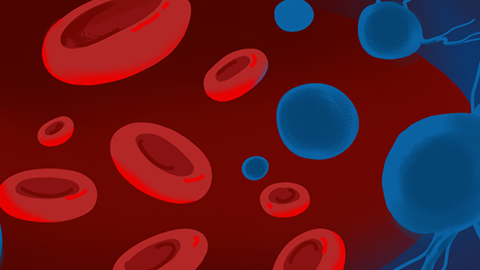
Erythrocyte sedimentation rate (ESR) is the abbreviated term for “red blood cell sedimentation rate.” Clinically, ESR is used to assess disease activity. Elevated ESR is commonly observed during the active phases of many conditions—for instance, in most infectious diseases, in the majority of rheumatic disorders, and in some patients with malignancies.

Clinically, active bacterial, viral, and fungal infections can all lead to increased ESR. In rheumatic diseases—including rheumatoid arthritis, systemic lupus erythematosus, vasculitis, polymyositis, and dermatomyositis—ESR rises during active disease phases. Likewise, many malignant tumors and hematologic disorders may present with elevated ESR when the underlying condition remains uncontrolled. Patients with anemia may also demonstrate increased ESR. We hope this explanation proves helpful to you!