How Does Traditional Chinese Medicine Treat Fallopian Tube Blockage?
Apr 25, 2022
Source: Cainiu Health

Dr. Xiang Jinhong
Introduction
Cold-Dampness and Blood Stasis Pattern: Treatment focuses on warming the meridians, dispelling cold, activating blood circulation, and unblocking the collaterals; the commonly used formula is Shaofu Zhu Yu Tang, modified as appropriate.
Phlegm-Dampness and Blood Stasis Obstruction Pattern: Treatment emphasizes activating blood circulation to resolve stasis and resolving phlegm to regulate menstruation.
Qi Deficiency and Blood Stasis Pattern: Treatment primarily aims to tonify Qi and nourish blood while activating blood circulation and resolving stasis; the representative formula is Danggui Bu Xue Tang.
Kidney Deficiency and Blood Stasis Pattern: Treatment focuses on tonifying the Kidney, activating blood circulation, and unblocking the collaterals.
Traditional Chinese Medicine (TCM) is used to treat tubal factor infertility. In addition to syndrome differentiation and treatment, as well as oral administration of herbal medicine, chronic salpingo-oophoritis may also be managed with other TCM modalities.
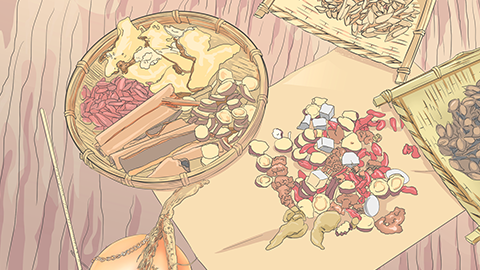
How Does TCM Treat Fallopian Tube Obstruction?
The most common approach involves selecting different therapeutic strategies based on the specific TCM pattern associated with fallopian tube obstruction.
1. Cold-Dampness and Blood Stasis Pattern
Clinical manifestations include scanty menstrual flow with dark blood and clots, thin white vaginal discharge, cold limbs, mild abdominal pain and distension, warm and unremarkable urination, pale tongue with a white, greasy coating, and a deep-fine or deep-weak pulse. Treatment principles focus on warming the meridians, dispelling cold, invigorating blood circulation, and unblocking the channels. The commonly prescribed formula is *Shaofu Zhu Yu Tang* (Lower Abdomen Blood Stasis Expelling Decoction), modified as appropriate.
2. Phlegm-Dampness and Blood Stasis Pattern
Typical symptoms include delayed menstruation, scanty menstrual flow—or even amenorrhea—copious thick vaginal discharge, obesity, heaviness and fatigue in the head, facial edema, a swollen tongue, a white greasy coating on the tongue, and a slippery pulse. Treatment aims to invigorate blood circulation, resolve stasis, transform phlegm, and regulate menstruation.
3. Qi Deficiency and Blood Stasis Pattern
Symptoms include pale menstrual blood, excessive or thin menstrual flow, early onset of menses, or prolonged spotting; fatigue, spontaneous sweating, pallor, palpitations, shortness of breath, mild abdominal pain, a red tongue with a thin white coating, and a weak pulse. The primary therapeutic strategy is to tonify Qi and nourish blood while promoting blood circulation and resolving stasis. The representative formula is *Danggui Buxue Tang* (Angelica and Astragalus Combination).
4. Kidney Deficiency and Blood Stasis Pattern
This pattern may underlie either primary or secondary infertility. Imaging studies—such as hysterosalpingography or laparoscopy—may reveal tubal obstruction or occlusion. Treatment is also indicated following interventional recanalization, laparoscopic surgery, or laparotomy. The therapeutic principle emphasizes tonifying the Kidney, invigorating blood circulation, and unblocking the channels.
Patients are advised to consult a qualified TCM practitioner at a specialized Traditional Chinese Medicine hospital for personalized diagnosis and treatment.