


Differences Between Leukemia-Related Nosebleeds and Common Nosebleeds
Apr 26, 2022
Source: Cainiu Health

Dr. Xu Gang
Introduction
The primary difference between nosebleeds caused by leukemia and ordinary nosebleeds lies in their underlying causes:
Common nosebleeds are typically attributed to excessive dryness of the nasal mucosa and fragility of nasal blood vessels. Minor trauma—such as nasal injury or nose-picking—can cause small blood vessels to rupture, resulting in epistaxis.
In contrast, leukemia is a malignant tumor of the hematopoietic system; nosebleeds in leukemia patients occur primarily due to thrombocytopenia (low platelet count).
Nosebleeds (epistaxis) commonly occur in patients with leukemia, but they also frequently affect healthy individuals. What are the key differences between nosebleeds caused by leukemia and those occurring in the general population?
Differences Between Leukemia-Related Nosebleeds and Common Nosebleeds
The primary distinction lies in their underlying causes. Common nosebleeds are typically attributed to dryness of the nasal mucosa and fragility of nasal blood vessels. External trauma—such as nasal injury or nose-picking—can rupture small vessels, leading to epistaxis. In contrast, leukemia is a malignant neoplasm of the hematopoietic system; nosebleeds in these patients result primarily from thrombocytopenia (low platelet count).

Differences in clinical presentation: In common nosebleeds, the bleeding site is usually identifiable, no other systemic symptoms are present, and the episode is typically sporadic. By contrast, nosebleeds in leukemia patients tend to be more severe and recurrent, with no clearly identifiable bleeding source. In addition to epistaxis, patients often exhibit other signs of abnormal bleeding—including petechiae or ecchymoses on the skin, gingival bleeding—as well as systemic symptoms such as fever, fatigue, and lymphadenopathy.
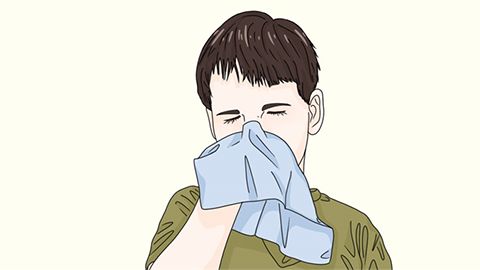
Common nosebleeds are generally easy to control—simple measures such as direct pressure (pinching both sides of the nasal alae) are often effective, and electrocautery may also be used. However, leukemia-related epistaxis is notoriously difficult to control. Hemostatic sponges may be required, and in some cases, platelet transfusion is necessary to correct the underlying coagulopathy and alleviate bleeding. Patients can make an initial assessment based on factors including frequency of epistaxis, presence or absence of associated systemic symptoms, and response to standard hemostatic interventions. We hope this information proves helpful to you!



