


Is it safe to eat congee if you have high blood sugar?
May 06, 2022
Source: Cainiu Health

Dr. Pan Yongyuan
Introduction
Individuals with high blood glucose are advised to avoid consuming congee (rice porridge). Congee has a high glycemic index; therefore, if portion sizes are not carefully controlled, postprandial blood glucose levels may rise rapidly within a short time, leading to significant fluctuations in blood glucose. However, if gastrointestinal disorders—such as anorexia, loss of appetite, or viral gastroenteritis—cause gastrointestinal symptoms, congee may be consumed.
In daily life, many people experience elevated blood glucose levels, which can harm their health and significantly impair their quality of life and work performance. Individuals with high blood glucose must pay close attention to their diet, as food intake directly influences blood glucose levels. So, can people with high blood glucose eat congee (rice porridge)?
Can people with high blood glucose eat congee?
Individuals with high blood glucose are generally advised to avoid congee. Congee has a high glycemic index (GI), meaning that if portion sizes are not carefully controlled, blood glucose levels may rise sharply shortly after consumption, leading to significant fluctuations. However, congee may be appropriate for individuals experiencing actual digestive system disorders—such as loss of appetite, nausea, or viral gastroenteritis—that cause gastrointestinal symptoms.
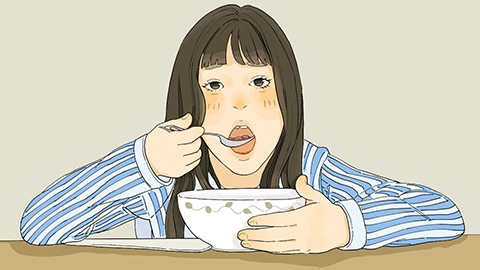
For patients with high blood glucose who do consume congee, it is recommended to adopt a “small-portion, frequent-meal” approach to minimize blood glucose fluctuations. During congee preparation, prolonged cooking causes rice starches to break down extensively, releasing more sugars and substantially increasing the rice’s glycemic index—thereby adversely affecting blood glucose control. Typically, unless digestive symptoms or disorders are present, patients with high blood glucose should opt for firmer, less-cooked rice (e.g., steamed rice) and incorporate an appropriate amount of whole grains into their rice dishes.

In daily life, aim for smaller, more frequent meals and avoid overeating or binge eating. Regular, moderate physical exercise is also recommended, as it helps lower blood glucose levels and enhances immune function. We hope this information proves helpful to you!


