


Can people with high blood sugar eat peaches?
May 06, 2022
Source: Cainiu Health

Dr. Pan Yongyuan
Introduction
Individuals with high blood sugar may consume peaches in moderation. Peaches contain relatively low amounts of sugar and have a low glycemic index (e.g., white peaches, yellow peaches); thus, moderate intake is generally safe and unlikely to cause significant blood glucose spikes. However, those with elevated blood sugar levels should still limit their consumption. Peach flesh is rich in protein, fat, carbohydrates, calcium, phosphorus, iron, vitamin B, vitamin C, and abundant water content.
Many people experience significant psychological stress upon discovering elevated blood glucose levels. They become overly cautious—avoiding all fruits for fear of complications or progression to diabetes. However, high blood glucose is associated with numerous factors; diet is only one contributing element, while underlying metabolic dysfunction is the fundamental cause. While limiting sugar intake is indeed necessary when blood glucose is elevated, complete avoidance of fruit is not required. Many low-sugar fruits remain suitable choices. So, can individuals with high blood glucose eat peaches?
Can individuals with high blood glucose eat peaches?
Yes—peaches may be consumed in moderation by individuals with elevated blood glucose. Peaches contain relatively low amounts of sugar and, when eaten in appropriate portions, generally have minimal impact on blood glucose levels. Low-glycemic-index varieties—such as white peaches and yellow peaches—may be consumed in small quantities even when blood glucose is elevated.
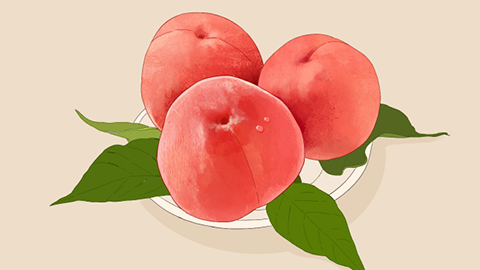
Peach pulp is rich in protein, fat, carbohydrates, calcium, phosphorus, iron, vitamin B, vitamin C, and abundant water. With its notably high iron content, peaches serve as an ideal complementary food for individuals with iron-deficiency anemia. Additionally, peaches are high in potassium and low in sodium—making them suitable for patients with edema. Peach kernels possess properties that promote blood circulation, resolve stasis, moisten the intestines, and relieve constipation, and may thus be used as adjunctive therapy for amenorrhea and traumatic injuries.
It is recommended to consume fruit between main meals—or approximately one hour before bedtime—rather than immediately before or after a meal. For larger fruits, portion control is advised to prevent excessive sugar intake and subsequent spikes in blood glucose. We hope this information is helpful! Wishing you optimal health and a joyful life!


