


Normal Blood Glucose Level 1 Hour After a Meal
May 07, 2022
Source: Cainiu Health

Dr. Pan Yongyuan
Introduction
In healthy individuals, blood glucose levels 1 hour after a meal range from 6.7 to 9.4 mmol/L, with a maximum of no more than 11.1 mmol/L. The normal fasting blood glucose level is 4.4–6.1 mmol/L, and the 2-hour postprandial blood glucose level should be below 7.8 mmol/L (typically within 4.4–7.8 mmol/L). Clinically, fasting blood glucose testing and 2-hour postprandial blood glucose testing are commonly performed to diagnose diabetes.
In daily life, many people experience elevated blood glucose levels, which can harm the body and significantly impair quality of life and work performance. Understanding this condition is essential for effective prevention and treatment. So, what is the normal blood glucose level one hour after a meal?
Normal Blood Glucose Level One Hour After a Meal
In healthy individuals, the normal blood glucose level one hour after a meal ranges from 6.7 to 9.4 mmol/L, with an upper limit of 11.1 mmol/L. The normal fasting blood glucose level is 4.4–6.1 mmol/L, and the two-hour postprandial glucose level should be below 7.8 mmol/L (note: the original text incorrectly states “4.4–7.8 mmol/L” for the upper limit; clinically, the normal two-hour postprandial value is <7.8 mmol/L). To diagnose diabetes, clinicians routinely perform fasting blood glucose tests and two-hour postprandial glucose tests. Fasting blood glucose measured one hour after fasting shows high variability and is therefore unsuitable for diagnostic purposes. A diagnosis of prediabetes is established when repeated fasting blood glucose measurements exceed 6.1 mmol/L and/or two-hour postprandial glucose levels exceed 7.8 mmol/L.
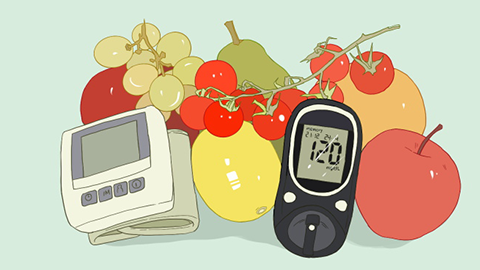
Diabetes management primarily involves pharmacologic control of blood glucose. For type 1 diabetes, insulin therapy is the mainstay of clinical treatment. In contrast, patients with type 2 diabetes are typically managed with oral antihyperglycemic agents. Regardless of diabetes type, all patients must adhere to dietary control and incorporate appropriate physical activity as foundational components of treatment.

In daily life, adopt a pattern of eating smaller, more frequent meals and avoid overeating or binge eating. Regular physical exercise is also recommended, as it helps lower blood glucose levels and enhances immune function. We hope this information is helpful to you!







