


What should I do if I develop swelling after being bitten by mosquitoes or insects?
May 08, 2022
Source: Cainiu Health

Dr. Pan Yongyuan
Introduction
Topical medications can be used, such as pruritus-relieving agents—including Chonglou Detoxifying Tincture or Calamine Lotion—as well as corticosteroid anti-inflammatory ointments, such as mometasone furoate or halometasone. Oral antihistamines—such as cetirizine or loratadine—may also be added. Significant swelling following a mosquito bite indicates a relatively severe allergic reaction, which is related to one’s individual constitution. We hope this response is helpful to you.
During summer, almost everyone experiences insect bites—particularly from mosquitoes—and these bites often result in redness and swelling. So, what should you do if a mosquito or insect bite becomes swollen?
What to Do When a Mosquito or Insect Bite Becomes Swollen
Topical medications can be used to relieve itching—for example, Chonglou Detoxifying Tincture or Calamine Lotion. Topical corticosteroid anti-inflammatory ointments—such as mometasone furoate or halometasone—may also be applied. Additionally, oral antihistamines—such as cetirizine or loratadine—can be taken. Significant swelling following a mosquito bite indicates a relatively severe allergic reaction, which is often related to individual constitution.
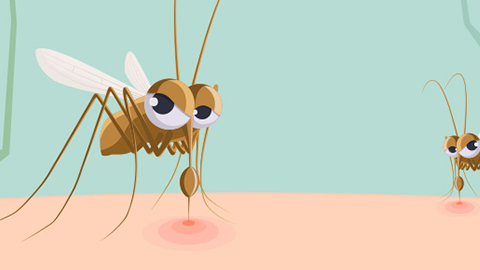
Besides pharmacological treatment, proper care is equally important. Most critically, avoid scratching the affected area. Local redness and swelling arise from substances introduced during the bite—such as saliva or other secretions—which trigger inflammation and release of allergic mediators. Scratching further stimulates the release of these mediators, worsening redness and swelling. Moreover, scratching may damage the skin and lead to secondary bacterial infection, creating new complications. Therefore, scratching must be stopped entirely, and the area should not be irritated.
In summary, swelling at the site of an insect bite suggests a pronounced allergic response. Antihistamines may be administered either orally or topically. Furthermore, refrain from scratching and avoid irritating the area. While mosquito-repellent incense (mosquito coils) may be used before bedtime, it should be lit at least two hours prior to sleeping—since prolonged inhalation of its smoke during sleep may adversely affect health. We hope this information proves helpful.




