


What Should I Do If I Have “Excessive Heat” in My Nose?
May 09, 2022
Source: Cainiu Health

Dr. He Haochen
Introduction
Nasal “heatiness” (a traditional Chinese medicine concept referring to inflammation or irritation) can be effectively alleviated by rinsing the nasal cavity with normal saline, which helps relieve nasal dryness. Additionally, applying a few drops of peppermint oil nasal drops can maintain moisture and elasticity of the dry or inflamed nasal mucosa, thereby effectively preventing epistaxis (nosebleeds). Nasal “heatiness” primarily results from decreased immunity or excessive consumption of spicy, irritating foods.
After experiencing “internal heat” (a traditional Chinese medicine concept referring to inflammatory or hyperactive conditions), patients often develop nasal “heat,” characterized by swelling, erythema, or herpes simplex lesions on the nasal tip or alae nasi. The nasal cavity may sometimes feel burning or tender and swollen. So, what should one do when experiencing nasal “heat”?
What to Do for Nasal “Heat”
Nasal “heat” can be effectively managed by irrigating the nasal cavity with normal saline, which helps alleviate nasal dryness. Additionally, nasal drops containing peppermint oil may be used to maintain moisture and elasticity of the dried or inflamed nasal mucosa, thereby helping prevent epistaxis (nosebleeds). Nasal “heat” primarily results from decreased immunity or excessive consumption of spicy, irritating foods—both of which can cause nasal mucosal dryness, pain, and even epistaxis. Nasal irrigation or topical nasal drops can help reduce mucosal inflammation.

Dietary management is crucial in cases of nasal “heat.” Avoid spicy, irritating foods, smoking, and alcohol consumption. Even after symptom resolution, minimize intake of spicy foods in daily life. Excessive consumption of spicy foods or overindulgence in tobacco and alcohol may trigger rhinitis, leading to recurrent nasal mucosal dryness and even epistaxis. If fever or severe pain develops, oral antibiotics may be required to control symptoms.
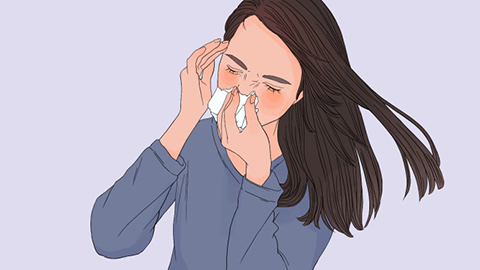
Monitor symptom changes closely after initiating treatment. During treatment, avoid forceful nose-blowing. Consume more fruits to supplement vitamins and enhance immune function. Strictly avoid smoking to minimize irritation to the nasal mucosa. When necessary, patients should consult an otolaryngologist at a hospital for further evaluation and management to prevent disease progression. We hope this information proves helpful!






