


What Are the Early Symptoms of Hyperglycemia?
May 11, 2022
Source: Cainiu Health

Dr. Pan Yongyuan
Introduction
In the early stage of hyperglycemia, the primary manifestations are the “three more and one less” symptoms: excessive thirst, frequent urination, increased appetite, and weight loss—accompanied by elevated blood glucose levels on testing. However, many patients do not exhibit these classic symptoms. Some present initially with thirst alone; others may first experience visual disturbances (e.g., blurred or decreased vision), numbness or pain in the extremities, or dizziness. Still others may initially present with skin swelling or furunculosis (boils).
In daily life, many people experience elevated blood glucose levels. This condition not only harms the patient’s physical health but also significantly impairs quality of life and work performance. Understanding the disease is essential for effective prevention and treatment. So, what are the early signs of hyperglycemia?
What Are the Early Signs of Hyperglycemia?
In its initial stage, hyperglycemia typically manifests as the “three more and one less” syndrome—increased thirst (polydipsia), increased urination (polyuria), increased appetite (polyphagia), and unexplained weight loss—along with elevated blood glucose readings. However, not all patients exhibit these classic symptoms. Some may present initially with excessive thirst alone, while others may first notice blurred or diminished vision, numbness or pain in the extremities, or dizziness. Still others may develop skin swelling, boils, or urinary tract infections as their presenting symptoms. Because symptom presentation varies widely among individuals, anyone experiencing any of the above signs should promptly undergo fasting blood glucose and 2-hour postprandial blood glucose testing. A diagnosis of diabetes is confirmed if fasting blood glucose is ≥7.0 mmol/L and/or 2-hour postprandial blood glucose is ≥11.1 mmol/L.
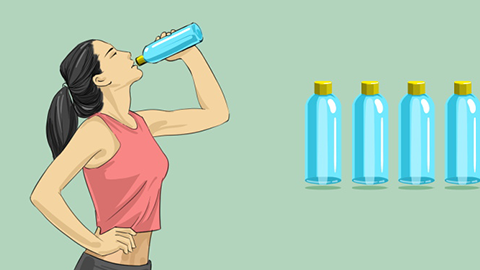
Early Management of Hyperglycemia: First, strict dietary control is essential. Patients should adopt a fractionated meal pattern—eating three meals per day—with no more than 100 g of staple food (e.g., rice, noodles) per meal. High-calorie foods—including fried dough sticks (youtiao), deep-fried items, and sugary beverages—should be avoided entirely. Instead, patients should consume ample protein- and vitamin-rich foods and drink plain water. Second, regular physical activity is strongly recommended for individuals with diabetes—and especially for those with hyperglycemia. Ideally, patients should engage in at least one hour of moderate-intensity exercise daily.

In daily life, patients should practice eating smaller, more frequent meals and avoid overeating or binge eating. Regular, appropriate physical exercise helps lower blood glucose levels and enhances immune function. We hope this information proves helpful to you!








