How long does it take for Rhodiola rosea side effects to subside?
May 12, 2022
Source: Cainiu Health

Dr. He Haochen
Introduction
Rhodiola’s primary therapeutic effects are to invigorate Qi and promote blood circulation. It is also used medicinally, mainly for conditions such as Qi deficiency with blood stasis, chest bi syndrome (angina pectoris), post-stroke hemiplegia, and fatigue/lassitude. However, in clinical practice, it is most commonly employed for altitude sickness and general physical debility. Adverse effects may occur during its use, but these typically resolve within a few days.
In China’s medical history, Traditional Chinese Medicine (TCM) is an ancient healing system with extensive documentation of numerous medicinal herbs that confer significant health benefits. Rhodiola rosea (Hong Jing Tian) is one such herb widely used in TCM. However, excessive intake of Rhodiola rosea may lead to certain adverse effects. So, how long does it take for these side effects to resolve?
How Long Do Rhodiola Rosea Side Effects Last?
Rhodiola rosea primarily functions to invigorate Qi and promote blood circulation, and is commonly used clinically for conditions involving Qi deficiency and blood stasis—such as chest obstruction (angina), post-stroke hemiplegia, and general fatigue and weakness. In clinical practice, it is most frequently prescribed for altitude sickness and physical debility. Nevertheless, adverse reactions may occur during its use, including allergic responses, gastrointestinal disturbances, headache, and nausea. These side effects are generally mild. Moreover, due to individual differences in constitution, symptom severity can vary from mild to more pronounced. Therefore, if symptoms or discomfort arise after taking Rhodiola rosea—even after a short period of use—patients should promptly consult a qualified TCM practitioner for proper diagnosis and management. If adverse reactions are confirmed to be drug-related, discontinuation of the herb is recommended.
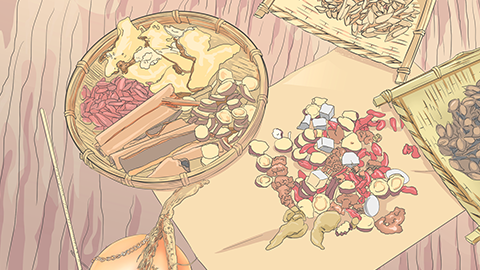
Rhodiola rosea is a time-honored herb in TCM. It is listed among the “superior-grade” herbs in the Shennong Ben Cao Jing (The Divine Farmer’s Materia Medica), one of the earliest and most influential classical TCM texts, where it is praised for its potent tonic properties—long-term use is traditionally believed to promote longevity. Rhodiola rosea tonifies the lungs, kidneys, spleen, and stomach, not only replenishing Qi but also nourishing blood and essence (Jing). Modern research has identified abundant amino acids and anti-aging compounds in Rhodiola rosea. These components help scavenge free radicals, regulate immune homeostasis, suppress aberrant immune activation, and support the enhancement of regulatory immune function—making it particularly beneficial for individuals with compromised immunity.
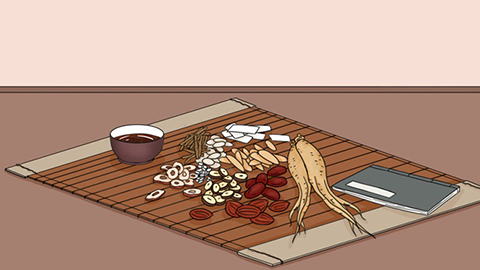
Please exercise caution: when using herbal medicines—including Rhodiola rosea—for wound healing or other therapeutic purposes, avoid overuse, which may result in drug toxicity or other adverse effects. We hope this information proves helpful to you!