Health Benefits and Effects of Grass Carp
May 12, 2022
Source: Cainiu Health

Dr. Zhao Haiming
Introduction
Grass carp is rich in nutrients such as high-quality protein and minerals, which help nourish the body, strengthen physical constitution, enhance immune function and disease resistance, thereby promoting overall health. Its tender, non-greasy flesh stimulates appetite and provides nourishment, helping improve conditions associated with weight loss, boosting appetite, and enhancing dietary intake. Additionally, grass carp supplies selenium—an essential trace element that supports anti-aging processes in the human body.
Grass carp is a commonly consumed fish in daily life, boasting rich nutritional value and numerous health benefits. So, what are the specific health benefits and functions of grass carp?
Health Benefits and Functions of Grass Carp
Grass carp is rich in high-quality protein, minerals, and other essential nutrients, helping to replenish vital nutrients, strengthen physical constitution, enhance immune function, and improve resistance to disease—thereby promoting overall health. Its tender, non-greasy flesh stimulates appetite and provides nourishment, aiding individuals experiencing weight loss or poor appetite and supporting improved dietary intake. Additionally, grass carp supplies selenium, which contributes to anti-aging effects, skin health, and potential anti-tumor and anticancer properties.
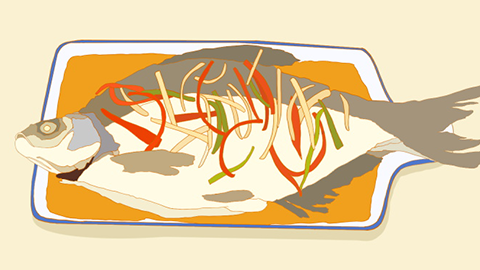
Grass carp contains various nutrients—including vitamin B1, vitamin B2, niacin, unsaturated fatty acids, calcium, phosphorus, potassium, zinc, and selenium—sufficient to meet physiological requirements. It is characterized by a warm nature and sweet taste in traditional Chinese medicine. Grass carp helps lower blood pressure, resolve phlegm, relieve coughing, prevent hypertension, and serve as an adjunctive therapy for cough and excessive sputum. Furthermore, it has nourishing and appetite-stimulating properties, making it especially beneficial for individuals with weak constitution or diminished appetite.
In daily life, follow the principle of eating smaller, more frequent meals to avoid overburdening the gastrointestinal tract. Maintain a balanced and varied diet—avoid excessive reliance on a single food type. When consuming fish, always carefully remove all bones to prevent injury to the throat. We hope this information proves helpful to you!