


What Are the Symptoms of External Ear Eczema?
May 12, 2022
Source: Cainiu Health

Dr. Liu Wan
Introduction
External otitis eczema is classified into acute and chronic forms:
Acute eczema: Commonly seen in infants and young children, characterized primarily by intense pruritus, often accompanied by a burning sensation. Secondary infection may lead to pain and fever; infants and young children frequently become irritable and restless due to unbearable itching. The skin of the external ear becomes erythematous and edematous, with small vesicles that may rupture, releasing yellowish serous discharge. The epidermis becomes eroded and may be covered with yellow crusts.
There are several types of eczema, including external otitis eczema (also known as auricular eczema). Many patients are not particularly familiar with this condition and are unaware of its symptoms—so what are the symptoms of external otitis eczema?
Symptoms of External Otitis Eczema
External otitis eczema is classified into acute and chronic forms:
Acute eczema: More common in infants and young children, it is characterized primarily by intense pruritus (itching), often accompanied by a burning sensation. Secondary infection may cause pain and fever; infants frequently become irritable and restless due to unbearable itching. The skin of the external ear becomes erythematous and edematous, with small vesicles appearing. Upon rupture, these vesicles exude a yellowish, serous fluid, leading to epidermal erosion and sometimes yellow crust formation. If excessive scratching occurs—especially in rural settings—secondary infection may spread the lesion, increase exudation, and even result in superficial small ulcers.
Chronic eczema: In addition to persistent pruritus, the skin of the external ear thickens and becomes rough and uneven. Scaling, fissuring, lichenification (skin thickening with accentuated markings), and hyperpigmentation may occur. In severe cases, the external auditory canal narrows, potentially affecting the tympanic membrane and resulting in tinnitus and mild hearing loss.
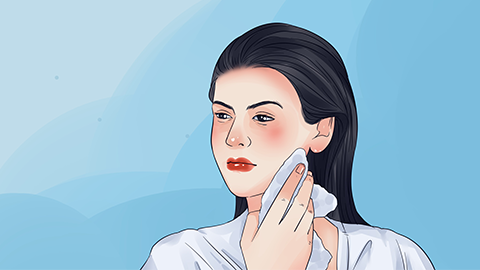
External otitis eczema may be triggered by ingestion of certain irritant foods—such as seafood or eggs—and may also be associated with psychological stress, endocrine disturbances, infections, or exposure to detergents and other chemical irritants. Patients with depression or chronic dyspepsia may experience immunosuppression, which can also predispose them to developing external otitis eczema.
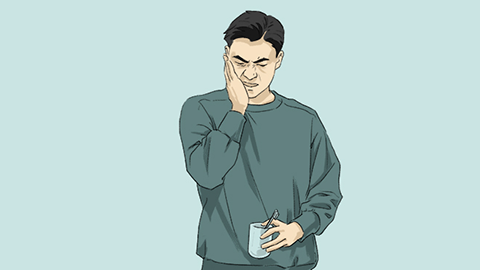
Once external otitis eczema develops, prompt medical consultation is essential to identify and eliminate potential causative factors—including allergens. If the underlying cause remains unclear, avoid spicy, irritating, or highly allergenic foods. Under physician guidance, antihistamines such as loratadine or cetirizine may be prescribed for symptomatic relief and anti-inflammatory management. We hope this information proves helpful!


