


Benign prostatic hyperplasia-induced calculi
May 13, 2022
Source: Cainiu Health

Dr. Li Mingchuan
Introduction
Benign prostatic hyperplasia (BPH) with calculi is typically caused by chronic prostatitis. If a patient previously had prostatitis, calcified plaques may remain after the inflammation has resolved. Prostatic calcification indicates a prior history of inflammation and may persist even after clinical resolution. Moreover, calcifications can serve as a nidus for bacterial growth, contributing to recurrent prostatitis. Prostatic calculi develop gradually over time and may be asymptomatic.
It’s not only women who suffer from gynecological disorders—men can also develop urological conditions in daily life, such as prostate-related diseases. Can benign prostatic hyperplasia (BPH) lead to stone formation?
Can Benign Prostatic Hyperplasia Cause Stone Formation?
Prostatic calculi (stones) associated with benign prostatic hyperplasia are typically caused by chronic prostatitis. If a patient previously experienced prostatic inflammation, calcified plaques may remain even after the infection has resolved. Prostatic calcification indicates a prior inflammatory episode—and possibly ongoing inflammation. These calcifications can serve as a nidus for bacterial growth, contributing to recurrent prostatitis. Over time, prostatic stones may gradually form. Notably, many patients with prostatic calculi remain entirely asymptomatic.
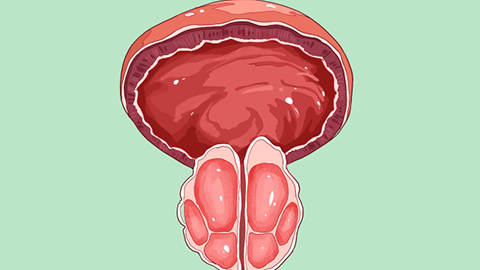
If symptoms such as urinary frequency, urgency, or discomfort—including perineal or lower abdominal distension and pain—are present, treatment should be initiated to alleviate these symptoms. In cases of significant urinary obstruction, transurethral resection of the prostate (TURP) may be indicated, followed by regular follow-up examinations. Lifestyle and dietary modifications are essential: maintain a light, balanced diet rich in vegetables and fruits; avoid spicy and irritating foods to minimize prostatic congestion; and ensure adequate rest—avoiding late-night activity—to reduce the risk of recurrent prostatic disease.
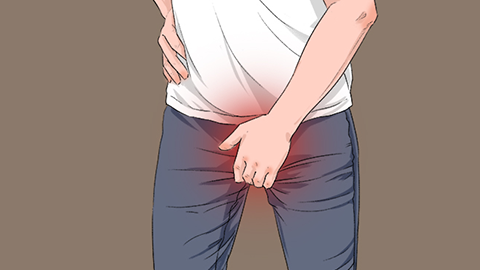
When bladder stones coexist with BPH, this suggests severe urethral obstruction due to prostate enlargement, leading to secondary bladder stone formation—a strong indicator that surgical intervention for BPH is warranted. Patients are advised to increase fluid intake and continue prescribed medications while monitoring for any increase in stone burden. Bladder stones can be managed via transurethral lithotripsy. If no recurrence occurs, the current conservative management plan may be maintained. We hope this information proves helpful to you!







