


What Should Lung Cancer Patients Eat?
May 14, 2022
Source: Cainiu Health

Dr. Guo Xiheng
Introduction
1. Consume more foods that enhance immunity and possess anti-lung cancer properties, such as coix seed (Job’s tears), sweet apricot kernels, water chestnuts, oysters, sea cucumbers, and Poria cocos.
2. If coughing with excessive phlegm, increase intake of radish, mustard greens, apricot kernels, dried tangerine peel, winter melon, loofah, peaches, tangerines, and pomelos.
3. If experiencing fever, consume more cucumber, winter melon, bitter gourd, olives, mulberries, duck meat, and black carp.
Lung cancer is a malignant tumor originating from the bronchial mucosa or glands of the lungs. It exhibits the most rapid increases in both incidence and mortality rates, ranking among the deadliest malignancies threatening public health and life. So, what should lung cancer patients eat?
What Should Lung Cancer Patients Eat?
1. Consume foods known to enhance immunity and exert anti-lung cancer effects, such as coix seed (Job’s tears), sweet apricot kernels, water chestnuts, oysters, sea cucumbers, and poria cocos.
2. For patients experiencing excessive coughing with copious phlegm, increase intake of radish, mustard greens, apricot kernels, tangerine peel, winter melon, loofah, peaches, tangerines, and pomelos.
3. If fever is present, consume more cucumber, winter melon, bitter gourd, olives, mulberries, duck meat, and black carp.
4. In cases of hemoptysis (coughing up blood), include green plums, lotus root, sugarcane, milk, eggplant, and squid in the diet.
5. To alleviate side effects of radiotherapy and chemotherapy, incorporate mung beans, soybeans, red beans, soft-shelled turtle, enoki mushrooms, and kiwifruit into the diet—moderation is key. It is advisable to consume fruits, vegetables, or whole grains daily.
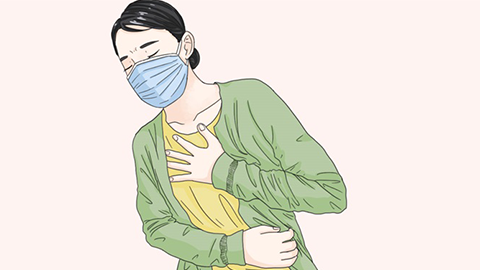
Lung cancer arises from genetic mutations occurring during the repair process of lung cells. However, the precise causes of these mutations remain incompletely understood. It is unequivocally established that smoking confers no benefits and carries substantial health risks; therefore, smoking cessation is strongly advised. Occupational exposures—such as asbestos inhalation—and environmental carcinogens—including formaldehyde—are well-documented risk factors for lung cancer.

Patients with lung disease should avoid raw, cold foods, as these may impair spleen and lung yang, promote phlegm formation, and exacerbate dampness—thereby worsening cough and palpitations. Smoking and alcohol consumption are strictly contraindicated. Spicy and irritating foods should be used with caution to prevent excessive coughing. We hope this information proves helpful!







