


Why do patients with hepatitis experience liver area pain?
Dec 12, 2025
Source: Cainiu Health

Dr. Gao Jun
Introduction
Pain in the liver area among hepatitis patients is primarily caused by hepatic inflammation leading to congestion and edema of liver cells. This results in liver enlargement, which stretches the pain-sensitive nerve endings on the liver capsule. In addition, inflammatory stimulation of the liver capsule and surrounding tissues contributes to discomfort. If the pain progressively worsens or is accompanied by symptoms such as fever and jaundice, prompt medical evaluation is necessary to assess disease progression. Daily care should emphasize adequate rest and avoidance of physical exertion.
Patients with hepatitis often experience pain in the liver area primarily due to liver cell congestion and edema caused by inflammation, leading to enlargement of the liver. This stretches the pain-sensitive nerve endings on the liver capsule, while inflammatory stimuli also affect the liver capsule and surrounding tissues, causing discomfort. If the pain progressively worsens or is accompanied by symptoms such as fever and jaundice, prompt medical evaluation is necessary to assess disease progression.
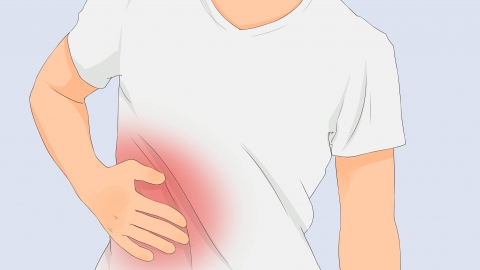
When liver cells are damaged, they release inflammatory mediators that exacerbate hepatic congestion and edema, increasing tension in the liver capsule. The stretched sensory nerves then produce dull aches, distension pain, or stabbing pain. Some patients may also experience radiating pain or discomfort if the inflammation affects adjacent organs such as the gallbladder or bile ducts. Clinically, treatment focuses on antiviral medications to suppress pathogen replication, hepatoprotective drugs to repair liver cells, and anti-inflammatory agents to alleviate symptoms associated with the inflammatory response.
Daily care should emphasize adequate rest and avoidance of fatigue to reduce the metabolic burden on the liver. Diet should consist mainly of light, easily digestible foods rich in high-quality protein and vitamins, avoiding spicy, greasy, and alcoholic items that may irritate the liver. Maintaining emotional stability and avoiding anxiety or irritability, along with regular sleep patterns and no late-night activities, are also important. Additionally, patients should follow medical advice for regular liver function tests to monitor recovery progress.





