


What Are the Main Causes of Dry Cough at Night?
May 15, 2022
Source: Cainiu Health

Dr. Jiang Weimin
Introduction
Nocturnal dry cough is most likely caused by acute tracheobronchitis, tonsillitis, acute pharyngitis, or an acute exacerbation of chronic pharyngitis. It may also result from external factors, including the following:
- Use of medications that induce dry cough—such as the angiotensin-converting enzyme (ACE) inhibitor captopril, commonly prescribed for hypertension;
- Long-term smoking and alcohol consumption;
- Frequent intake of spicy or irritating foods, which can irritate the respiratory tract and esophagus.
Cough is a relatively common condition in daily life, often persistent and recurrent—particularly troublesome during sleep. What are the primary causes of dry cough at night?
Primary Causes of Nocturnal Dry Cough
Nocturnal dry cough is frequently associated with acute tracheobronchitis, tonsillitis, acute pharyngitis, or acute exacerbation of chronic pharyngitis. It may also stem from external factors, including the following:
- Medication-induced dry cough: Certain drugs—such as the angiotensin-converting enzyme (ACE) inhibitor captopril, commonly prescribed for hypertension—can provoke dry cough.
- Lifestyle factors: Long-term smoking and alcohol consumption, along with frequent intake of spicy or irritating foods, can irritate the respiratory tract and esophagus, leading to pharyngeal inflammation and overall immune suppression—potentially triggering dry cough at night.

Additionally, environmental factors—such as dry or polluted air—may contribute to dry cough. Inhalation of airborne particulates triggers the respiratory tract’s natural self-cleansing mechanism, resulting in coughing—a protective reflex. Furthermore, sleeping positions that narrow the airway may also provoke coughing.
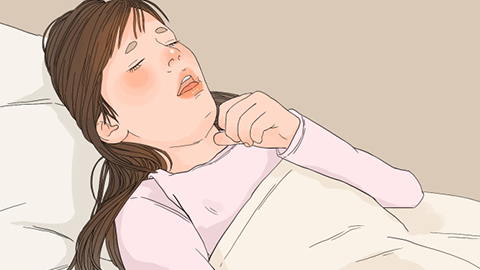
In summary, dry cough refers to coughing without sputum production. At night, heightened vagal nerve activity increases cough frequency. The causes of nocturnal dry cough are multifactorial, encompassing both intrinsic (e.g., underlying disease) and extrinsic (e.g., environmental or medication-related) factors. When evaluating specific cases, extrinsic causes should first be ruled out; intrinsic causes require further diagnostic investigation. We hope this information proves helpful!



