


What does it feel like to have a tumor in the lung?
Dec 09, 2025
Source: Cainiu Health

Dr. Ren Yi
Introduction
When there is a tumor in the lung, symptoms generally include persistent cough, blood in sputum or hemoptysis, chest pain, chest tightness, shortness of breath, and unexplained weight loss. The tumor irritates the respiratory mucosa, causing a chronic cough, often characterized as an irritating dry cough, sometimes accompanied by small amounts of sputum. This cough is difficult to relieve with common antitussive medications, and its frequency gradually increases as the disease progresses.
When there is a tumor in the lung, common symptoms include persistent cough, blood-tinged sputum or hemoptysis, chest pain, chest tightness and shortness of breath, unexplained weight loss, etc. The details are as follows:
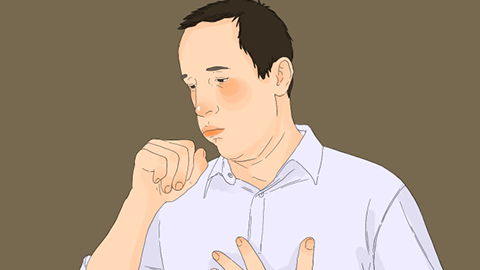
1. Persistent cough: The tumor irritates the respiratory mucosa, causing a long-term cough, often a dry, irritating cough with little or no sputum. It is difficult to relieve with ordinary cough suppressants, and the frequency of coughing gradually increases as the disease progresses.
2. Blood-tinged sputum or hemoptysis: The tumor invades pulmonary blood vessels, causing vessel rupture and bleeding. Blood mixes with sputum, appearing as streaks of blood or clots in the sputum. Mild hemoptysis may occur in severe cases, which is a typical warning sign that requires attention.
3. Chest pain: The tumor compresses or invades the pleura or chest wall tissues, leading to chest pain. The pain is usually an irregular dull ache or soreness, worsening during coughing or deep breathing. In some cases, the pain is localized to a specific area.
4. Chest tightness and shortness of breath: The tumor occupies space in the lung, impairing ventilation and gas exchange, or compresses airways causing airflow obstruction. Patients often feel chest tightness and rapid breathing after physical activity; in severe cases, discomfort may even occur at rest.
5. Unexplained weight loss: The tumor consumes large amounts of the body's nutrients and impairs digestive and absorptive functions, resulting in significant weight loss within a short period. This is often accompanied by fatigue, anemia, and occurs without clear changes in diet or exercise.
If any of the above symptoms appear, prompt medical evaluation with pulmonary imaging is necessary to determine the underlying cause and receive appropriate treatment.








