


Does eating too many oranges cause “internal heat”?
May 16, 2022
Source: Cainiu Health

Dr. He Haochen
Introduction
Eating excessive amounts of oranges does not cause “internal heat” (a traditional Chinese medicine concept referring to inflammatory or overheating symptoms). Oranges are considered a “cooling” fruit in traditional Chinese medicine, so they generally do not induce internal heat. Moreover, oranges are rich in vitamins—particularly vitamin C—which can help alleviate internal heat and confer certain health benefits. Not only are oranges delicious, but they are also highly nutritious, making them a natural source of vitamin C supplementation.
Oranges are considered a “cooling” fruit in traditional Chinese medicine and are rich in vitamins—particularly vitamin C—making them not only delicious but also highly nutritious. They are often regarded as a natural source of vitamin C supplementation. So, can eating too many oranges cause “heatiness” (a traditional Chinese concept referring to excessive internal heat)?
Can eating too many oranges cause heatiness?
Eating excessive amounts of oranges generally does not cause heatiness. As a cooling fruit, oranges are unlikely to induce internal heat; on the contrary, their high vitamin content may help alleviate heatiness and confer certain health benefits. Oranges are both tasty and nutrient-dense, serving as a natural source of vitamin C. Whether oranges cause heatiness depends primarily on whether they are classified as “cooling” or “warming” in nature—and according to traditional Chinese medicine, oranges are considered a neutral-to-cooling fruit.
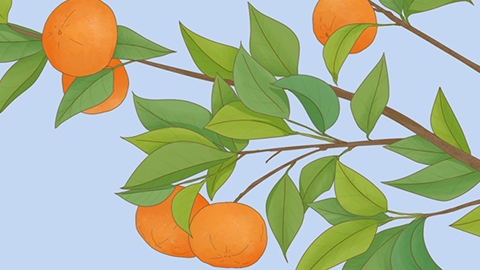
Oranges have a sweet-sour taste and a cooling nature, with functions including promoting salivation, relieving thirst, stimulating appetite, and aiding digestion. Consuming oranges or orange juice after meals helps cut through greasiness, relieve food stagnation, quench thirst, and even alleviate alcohol intoxication. Moreover, oranges contain less sugar than tangerines, making them less likely to cause heatiness—and more likely to help reduce it. Nevertheless, certain precautions should be observed when consuming oranges: First, avoid drinking orange peel (chen pi) tea prepared with water, as commercially available dried orange peel often contains preservatives that are difficult to wash off thoroughly. Second, avoid eating oranges on an empty stomach—either before or immediately after meals—as the organic acids in oranges may irritate the gastric mucosa.
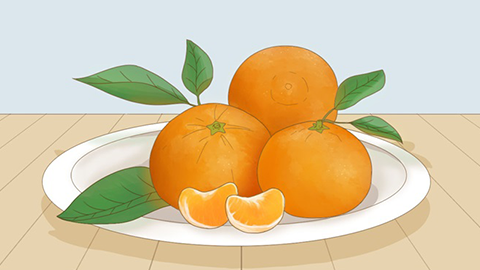
In daily life, individuals experiencing heightened emotional stress should drink adequate water and limit intake of fried or greasy foods. We hope this article has been helpful. Wishing you a joyful life and good health!



