What conditions does photorejuvenation treat?
May 16, 2022
Source: Cainiu Health

Dr. Liu Wan
Introduction
In clinical medicine, conditions such as hyperpigmentation and melasma typically involve an intensive treatment phase toward the end of therapy—usually consisting of 1–5 sessions—aimed at achieving rapid skin whitening, pigment spot removal, or overall clearance of discoloration. During this later treatment phase, photorejuvenation is recommended. Photorejuvenation helps regulate skin function and combat aging, with its most prominent effect being the improvement of collagen production.
Photorejuvenation is a cosmetic therapeutic technique that has emerged and gained popularity in recent years. It utilizes intense pulsed light (IPL) generated by a photorejuvenation device to induce photochemical effects on the skin. These effects stimulate the dermis, prompting biochemical changes in the molecular structure of collagen and elastic fibers—increasing their quantity and promoting realignment—thereby restoring the skin’s natural elasticity and achieving therapeutic outcomes such as wrinkle reduction and pore minimization. So, what conditions does photorejuvenation treat?
What Conditions Does Photorejuvenation Treat?
In clinical practice, conditions such as hyperpigmentation and melasma typically require 1–5 treatment sessions during the later phase of therapy to achieve rapid skin brightening and pigment clearance. During this later stage, photorejuvenation is often recommended, as it helps regulate skin function and combat aging—with collagen improvement being the most frequently observed benefit during treatment.
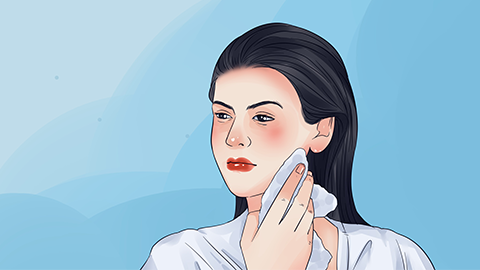
Photorejuvenation is a minimally invasive dermatological procedure. A key factor contributing to its rapid rise in popularity is its non-damaging nature: patients experience no significant discomfort during or after treatment, and the face exhibits no notable adverse effects. Concurrently, various pigmentary disorders—including melasma, age spots, and solar lentigines—gradually improve or even resolve.

Therefore, photorejuvenation offers comprehensive therapeutic benefits: it improves skin quality at the dermal level, reduces wrinkles, removes pigmented lesions, treats facial telangiectasia (visible blood vessels), refines enlarged pores, and brightens skin tone. Noticeable results—such as firmer, more radiant skin—can be achieved after a single session or a full course of 1–6 treatments. We hope this information proves helpful to you!