


What are the components of plasma?
May 16, 2022
Source: Cainiu Health

Dr. Wang Mingxuan
Introduction
A decrease in plasma albumin concentration leads to reduced colloid osmotic pressure, resulting in tissue edema. Plasma plays a critical role in hemostasis. It contains abundant coagulation factors, which are essential for normal hemostatic function; thus, reduced coagulation factor concentrations can lead to bleeding symptoms. Plasma also significantly enhances immune function. It contains large amounts of globulins, which markedly boost the body’s immunity.
Plasma is one of the components—and a vital constituent—of blood. It is a pale-yellow liquid whose primary function is to transport blood cells. So, what are the components of plasma?
What Are the Components of Plasma?
Plasma is the liquid portion remaining after blood cells have been removed from whole blood. Its composition includes water, various inorganic ions (e.g., potassium, calcium, and sodium ions), coagulation factors, fibrinogen, antibodies, albumin, and other proteins—making plasma critically important for numerous physiological functions.
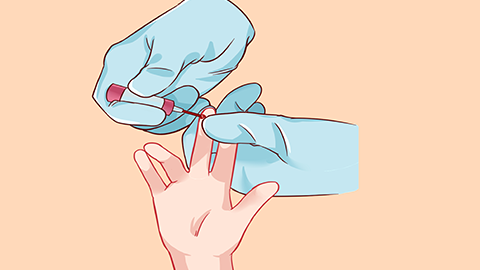
Common physiological roles of plasma include: • Maintenance of plasma colloid osmotic pressure, primarily mediated by albumin. This mechanism retains water within blood vessels and prevents its leakage into surrounding tissues. A decrease in plasma albumin concentration reduces colloid osmotic pressure, potentially leading to tissue edema. • Hemostasis: Plasma contains abundant coagulation factors essential for normal hemostasis. Reduced levels of these factors may result in bleeding tendencies. • Immune enhancement: Plasma contains large quantities of globulins, which significantly bolster the body’s immune defenses.
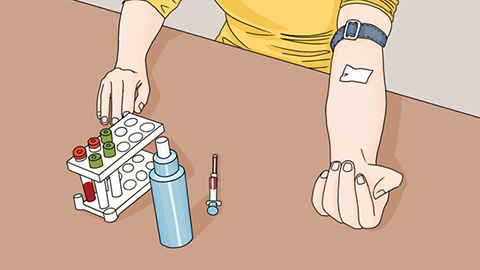
Plasma contains proteins, amino acids, inorganic salts, metabolic waste products, and a substantial amount of water. It plays a crucial role in transporting both nutrients required for sustaining life and metabolic waste products generated within the body. Additionally, plasma contains abundant coagulation substances. We hope this article has been helpful. Wishing you a joyful life and good health!





