


What Are the Symptoms of Cardiospasm and Gastric Spasm?
May 16, 2022
Source: Cainiu Health

Dr. Zhao Haiming
Introduction
Gastric spasm can be classified into pyloric spasm and cardiospasm. The primary symptoms include upper abdominal distension and pain, with severe pain potentially radiating to the lower back. Most cases of gastric spasm are typically caused by improper diet leading to excessive secretion of gastrin. Additionally, cold stimulation of the abdominal region may irritate the gastric mucosa, while emotional stress can disrupt gastrointestinal nerve function, and excessive contraction of gastric smooth muscle may also trigger gastric spasm.
Gastric spasm is relatively common in daily life. When it occurs, patients typically experience severe pain that can significantly disrupt normal daily activities and work. What are the symptoms of cardiospasm (spasm of the cardiac sphincter) and gastric spasm?
Symptoms of Cardiospasm and Gastric Spasm
Gastric spasm can be categorized into pylorospasm (spasm of the pyloric sphincter) and cardiospasm. The primary symptom is upper abdominal distension and pain; severe pain may radiate to the lower back. Most cases of gastric spasm result from improper diet leading to excessive secretion of gastrin. Additionally, cold exposure to the abdomen may irritate the gastric mucosa, emotional stress may cause gastrointestinal nerve dysfunction, and excessive contraction of gastric smooth muscle may trigger gastric spasm. Symptoms usually improve with general supportive measures; however, persistent gastric spasm warrants medical evaluation.

During pylorospasm, patients commonly experience upper abdominal discomfort, accompanied by acid reflux, abdominal distension, and heartburn. In contrast, cardiospasm presents not only with upper abdominal discomfort but also with retrosternal pain, dysphagia, anorexia, and belching. When gastric spasm occurs, abdominal warmth should be maintained—for example, by drinking warm fluids or applying a hot water bottle to the abdomen. Physical therapies such as ultra-short wave therapy or red light irradiation may help relax smooth muscle and alleviate spasm.
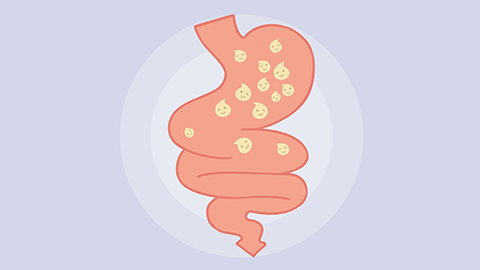
Dietary habits should also be carefully managed: opt for bland, easily digestible foods; maintain adequate warmth—especially around the abdomen—to prevent cold-induced irritation; engage in appropriate physical exercise; and adopt healthy lifestyle practices to help prevent gastric spasm. We hope this information proves helpful to you!





