


What Causes Excessive Salivation and How Is It Treated?
May 17, 2022
Source: Cainiu Health

Dr. Guo Xiheng
Introduction
Excessive salivation has numerous causes, which can be broadly categorized into true and pseudo-hypersalivation.
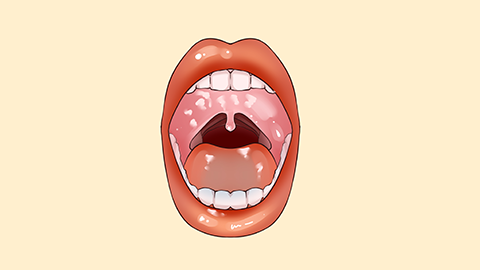
True hypersalivation is primarily caused by oral diseases such as stomatitis, pharyngitis, glossitis, and gingivitis; improper use of dentures leading to irritation; drug-induced toxicity or irritation (e.g., mercury or lead poisoning); neurological disorders including encephalitis and autonomic nervous system dysfunction; and endocrine disorders such as thyroid disease and diabetes mellitus.
Saliva is normally produced in the mouth, where it aids digestion and performs other important physiological functions. However, some individuals experience excessive salivation (hypersalivation or sialorrhea). What causes this condition, and how is it treated?
Causes of Excessive Salivation
There are numerous potential causes of excessive salivation, broadly categorized into true hypersalivation and pseudo-hypersalivation. Specific causes are outlined below:
1. True Hypersalivation
True hypersalivation is commonly caused by oral diseases such as stomatitis, pharyngitis, glossitis, and gingivitis; ill-fitting dentures causing irritation; poisoning or irritation from substances including mercury, lead, iodine, potassium, or nicotine; neurological disorders such as encephalitis, cerebral palsy, epilepsy, or autonomic nervous system dysfunction; and endocrine disorders including thyroid disease and diabetes mellitus.
2. Pseudo-Hypersalivation
Pseudo-hypersalivation is primarily associated with psychological factors such as anxiety or stress; structural obstructions—including esophageal stricture, tumors, or scarring—that impede the passage of saliva; postoperative complications following oral or pharyngeal surgery leading to dysphagia or swallowing nerve paralysis, thereby impairing normal saliva clearance; or functional impairments involving cranial nerves (e.g., glossopharyngeal or hypoglossal nerves) or mandibular motor function.
How Is Excessive Salivation Treated?
Treatment strategies differ depending on whether the cause is true or pseudo-hypersalivation. Details are as follows:
1. True Hypersalivation
When excessive salivation occurs, identifying the underlying cause is essential before initiating targeted treatment. In cases of true hypersalivation, patients should seek medical evaluation to determine whether an underlying disease, ill-fitting dentures, or drug-induced stimulation is responsible—and then receive appropriate management under physician guidance.
2. Pseudo-Hypersalivation
For pseudo-hypersalivation, patients should first perform a self-assessment to identify the specific contributing factor—such as anxiety, structural obstruction, or neuromuscular dysfunction—before pursuing appropriate interventions.
If you notice persistent excessive salivation, promptly adopt supportive measures and consult a healthcare provider for thorough evaluation and treatment. We hope this information is helpful to you!






